 Escape Climate
West Coast Facing Dual Earthquake Threat as Major Faults Sync Up
New research suggests that two significant West Coast faults may rupture in quick succession, posing a dual threat to coastal cities.
Scientists have found evidence in ocean sediments indicating that the Cascadia subduction zone and northern San Andreas fault might trigger earthquakes within minutes of each other. This synchronization could lead to compounded disasters for regions already vulnerable to seismic activity.
If these faults were to rupture back-to-back again, as they did around 1700, several major West Coast cities would face emergencies nearly simultaneously.
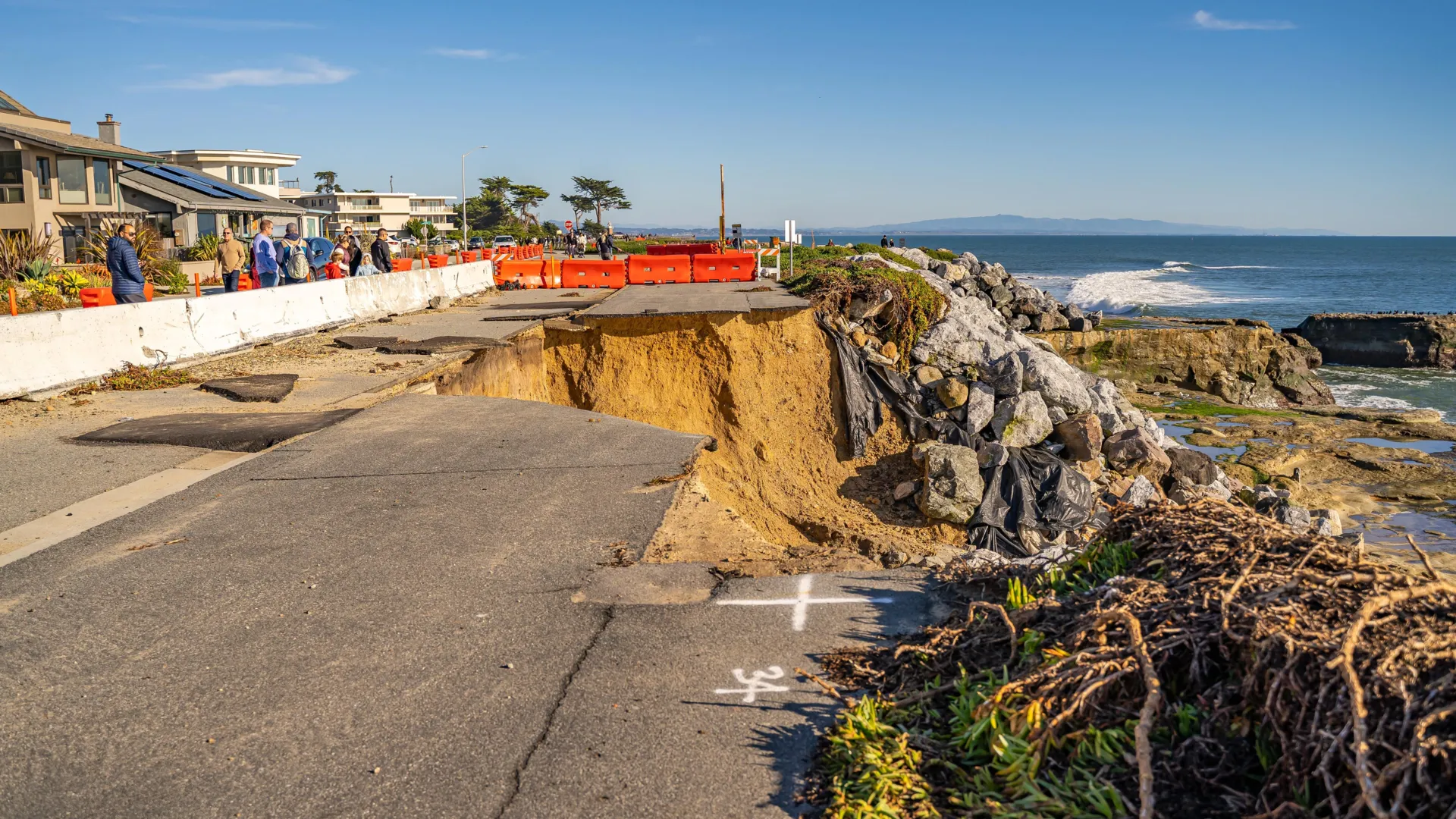
The long-term vulnerability of coastal infrastructure is heightened by the possibility of such synchronized earthquakes. The ecological degradation from repeated shocks could severely impact recovery efforts and resilience.
Can local infrastructure withstand future compounding shocks?
Cities along the West Coast must urgently reassess their earthquake preparedness plans to account for the potential of back-to-back major quakes. Infrastructure improvements, emergency response strategies, and public awareness campaigns are critical in mitigating risks.
The outlook is grim without significant upgrades.