 Escape Climate
Tropical Trees Adapt Nocturnal Breathing to Survive Drought
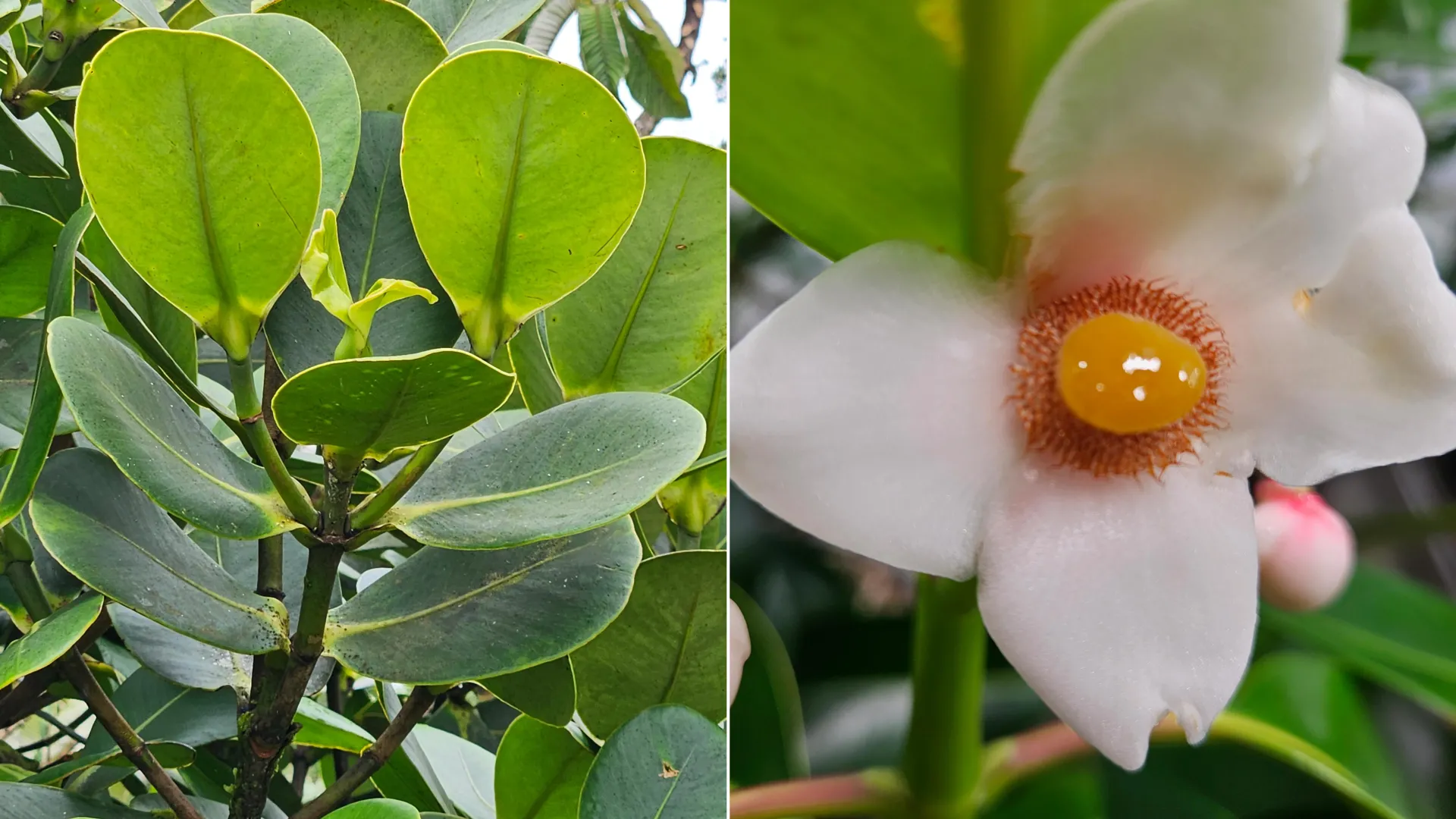
Some tropical trees have evolved to take in carbon dioxide at night to conserve water during the day.
This adaptation, known as CAM photosynthesis, allows these trees to keep their pores closed during hot daytime hours, reducing water loss. Researchers found that this trait developed through complex genetic changes over millions of years, involving ancient genome duplications and extensive genetic reshuffling.
The trees use different strategies for CAM photosynthesis, ranging from strong CAM to stress-triggered forms, showing a remarkable evolutionary response to drought conditions.
This adaptation highlights the long-term vulnerability of tropical ecosystems to increasing drought severity. The ability of these trees to survive prolonged dry periods could be crucial in maintaining forest health under climate change.
What is the long-term climate outlook for this region?
The evolution of nocturnal breathing in tropical trees suggests a growing need for water conservation. However, as drought conditions intensify, even these adaptations may not be enough to prevent widespread forest die-off. The future health of tropical forests hinges on both the resilience of these trees and broader efforts to curb climate change.
Tropical forests face significant risks despite tree adaptations.