 Escape Climate
Stonehenge's Altar Stone Traveled from Scotland by Glacier, Study Suggests
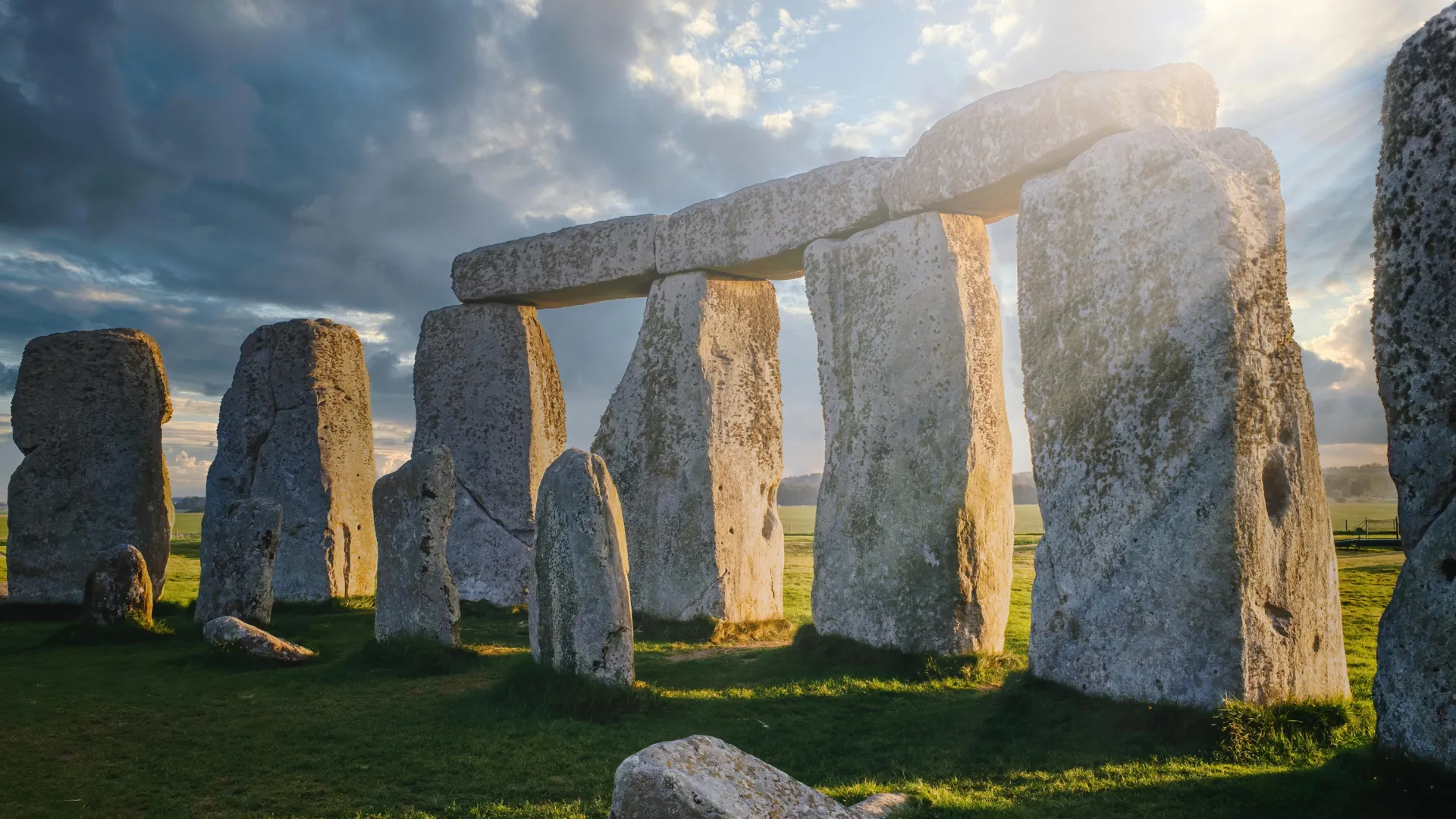
The six-ton Altar Stone at Stonehenge may have originated in Scotland and traveled via glacier to Dogger Bank before reaching Salisbury Plain.
This multistage journey implies a sophisticated level of prehistoric organization and suggests the stone was already highly valued long before its incorporation into Stonehenge. The discovery challenges previous assumptions about how such massive stones were transported across vast distances, indicating an advanced understanding of geography and logistics by ancient peoples.
The stone's journey from Scotland to Salisbury Plain could have taken thousands of years, with glaciers playing a significant role in moving it closer to its final destination.
This revelation highlights the long-term vulnerability of archaeological sites to natural forces like glacial movement. It also underscores the enduring mystery surrounding Stonehenge and the advanced capabilities of prehistoric societies.
What is the long-term climate outlook for this region?
The long-term climate changes could affect how we understand the transport mechanisms used by ancient peoples. Rising temperatures may lead to increased glacial melting, potentially uncovering more evidence of prehistoric transportation routes but also risking damage to archaeological sites.
The outlook is mixed, with potential for new discoveries but also threats from environmental changes.