Escape Climate
South African Cheetah Population Plummets to Critical Levels
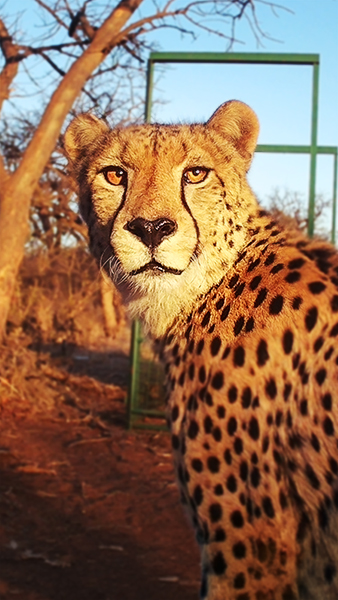
A recent survey reveals only 83 mature cheetahs in nearly 100,000 square kilometers of South Africa.
The Free-Roaming Cheetah Census, the most extensive study of its kind, highlights a severe decline in the big cat's population. This drop is largely due to habitat loss and human-wildlife conflict, with agricultural expansion and poaching exacerbating the issue. The cheetahs' natural movement across borders complicates conservation efforts.
The findings suggest that without immediate intervention, these iconic predators could face local extinction in South Africa.
Long-term vulnerability stems from ongoing land use changes and a lack of protected areas, which threaten to fragment what remains of their habitat.
What is the long-term climate outlook for this region?
While direct climate impacts on cheetah populations are less clear, rising temperatures and changing rainfall patterns could further stress ecosystems. This could lead to increased competition with other predators and prey species, compounding existing threats.
The outlook remains cautiously negative without significant conservation measures.