 Escape Climate
Scientists Uncover Vast Hidden Magma System Beneath Mars
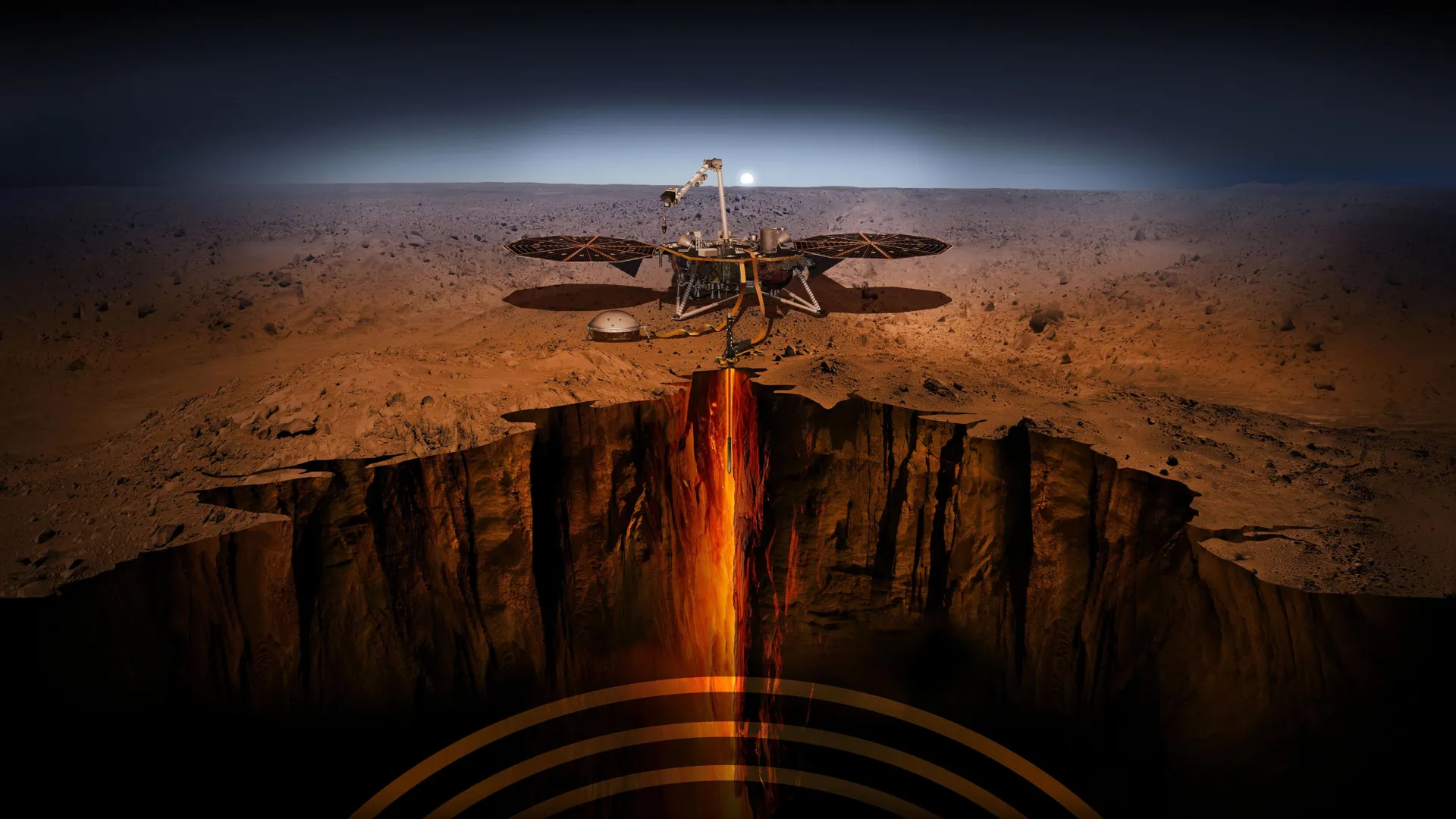
Deep beneath Mars, researchers have discovered evidence of extensive magmatic systems.
This finding challenges previous beliefs that such complex geological features required Earth-like plate tectonics. Seismic data indicates molten rock evolved and recycled itself through the Martian crust over vast distances, reshaping our understanding of planetary geology.
The discovery suggests Mars has a more dynamic interior than previously thought, capable of sustaining large-scale magmatic activity without moving plates.
This insight into Mars' geological history could reveal how other planets form complex crusts and hint at ongoing volcanic processes beneath the surface.
What is the long-term climate outlook for this region?
While the discovery offers new insights into Martian geology, it does not directly impact its current climate. However, understanding these magmatic systems could help predict future volcanic activity and its effects on Mars' atmosphere.
The findings provide a neutral outlook on Mars' immediate climatic conditions.