 Escape Climate
Pacific Northwest's Subduction Zone Shows Signs of Fragmentation
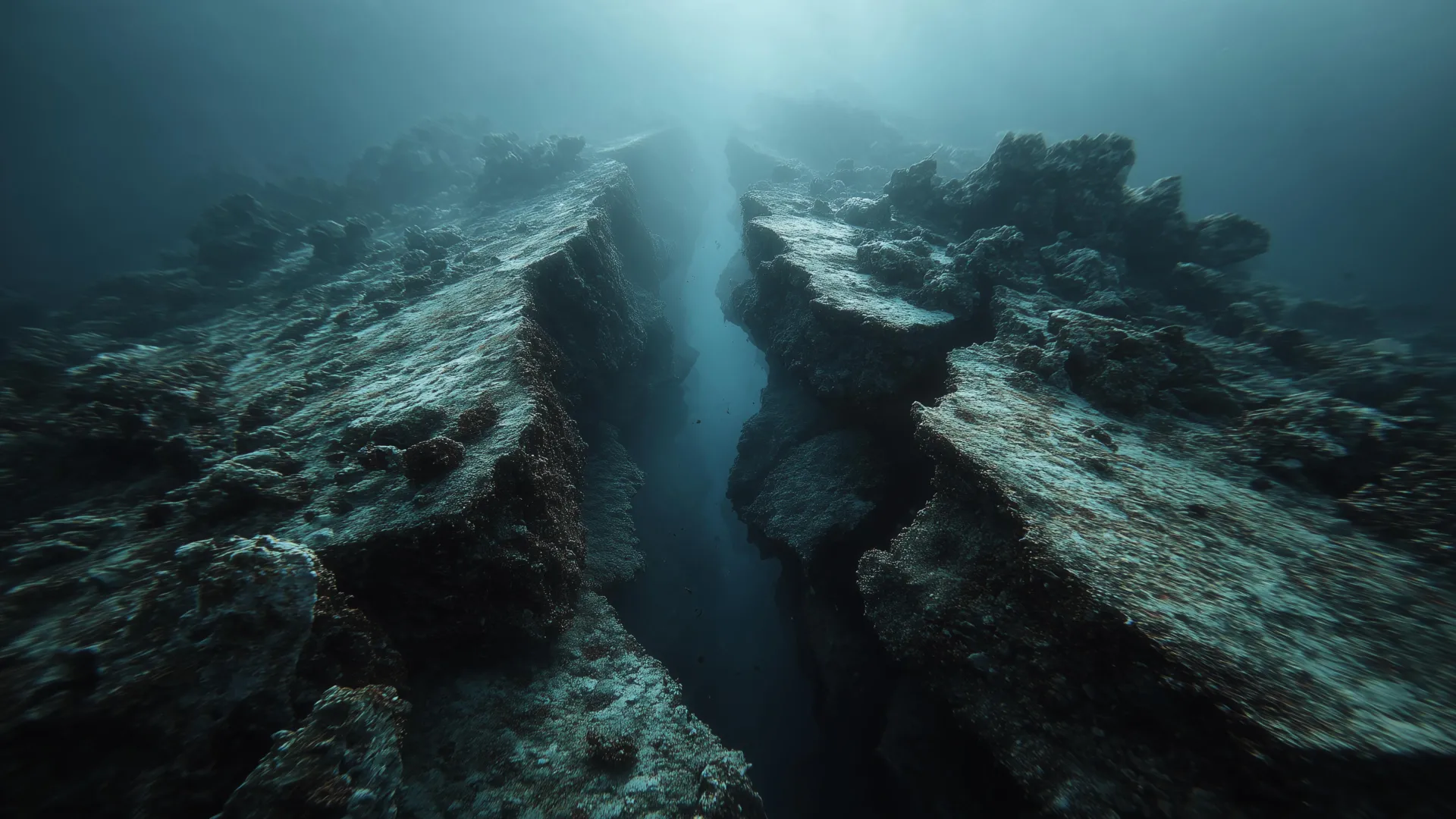
Scientists have observed a subduction zone off Vancouver Island breaking apart.
This discovery suggests that massive tectonic systems like the Cascadia subduction zone may disintegrate gradually, piece by piece. The findings could provide insights into ancient plate fragments and volcanic activity in the region, potentially altering our understanding of how these breaks influence future seismic events.
The gradual fragmentation of the subduction zone means that it might not fail all at once but rather through a series of smaller failures over time.
This long-term vulnerability could lead to more frequent, albeit possibly less severe, earthquakes in the Pacific Northwest. The ecological degradation from repeated seismic activity could also impact local ecosystems and infrastructure.
What is the long-term climate outlook for this region?
The gradual disintegration of the subduction zone off Vancouver Island suggests a future with more frequent earthquakes, which may complicate efforts to build resilient infrastructure. This could also affect local ecosystems and increase the risk of landslides and tsunamis.
The outlook for the region is increasingly complex due to these seismic risks.