 Escape Climate
Oklahoma's Hidden Meteor Impact Rewrites Ancient History
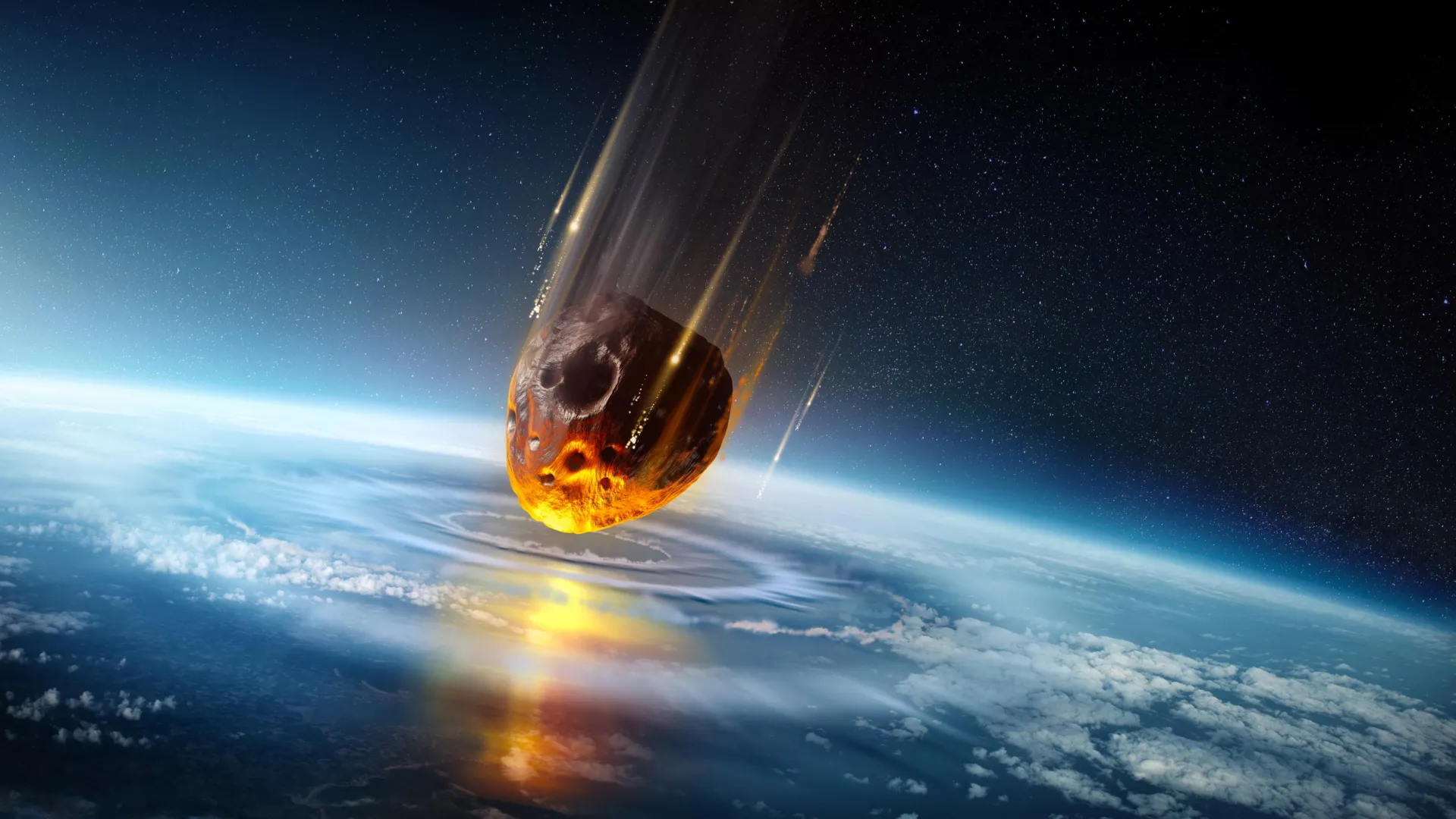
A buried meteor crater in Oklahoma is nearly 100 million years younger than previously believed.
Zircon crystals reveal the Ames impact occurred around 370 million years ago, aligning with a major marine extinction event rather than the Ordovician bombardment. This shifts our understanding of ancient Earth's geological timeline and its catastrophic events.
The meteor strike coincided with a mass die-off in the oceans, suggesting a link between extraterrestrial impacts and significant ecological upheavals.
This discovery highlights long-term vulnerabilities to cosmic impacts and their potential to trigger widespread environmental changes.
What is the long-term climate outlook for this region?
While the Ames impact doesn't directly affect current climate conditions, it underscores the historical significance of extraterrestrial events on Earth's ecosystems. Future studies may reveal more about how such impacts shape geological and biological landscapes over time.
The outlook remains speculative but highlights ongoing risks from space.