 Escape Climate
New Catalyst Turns Plant Waste into Valuable Chemicals
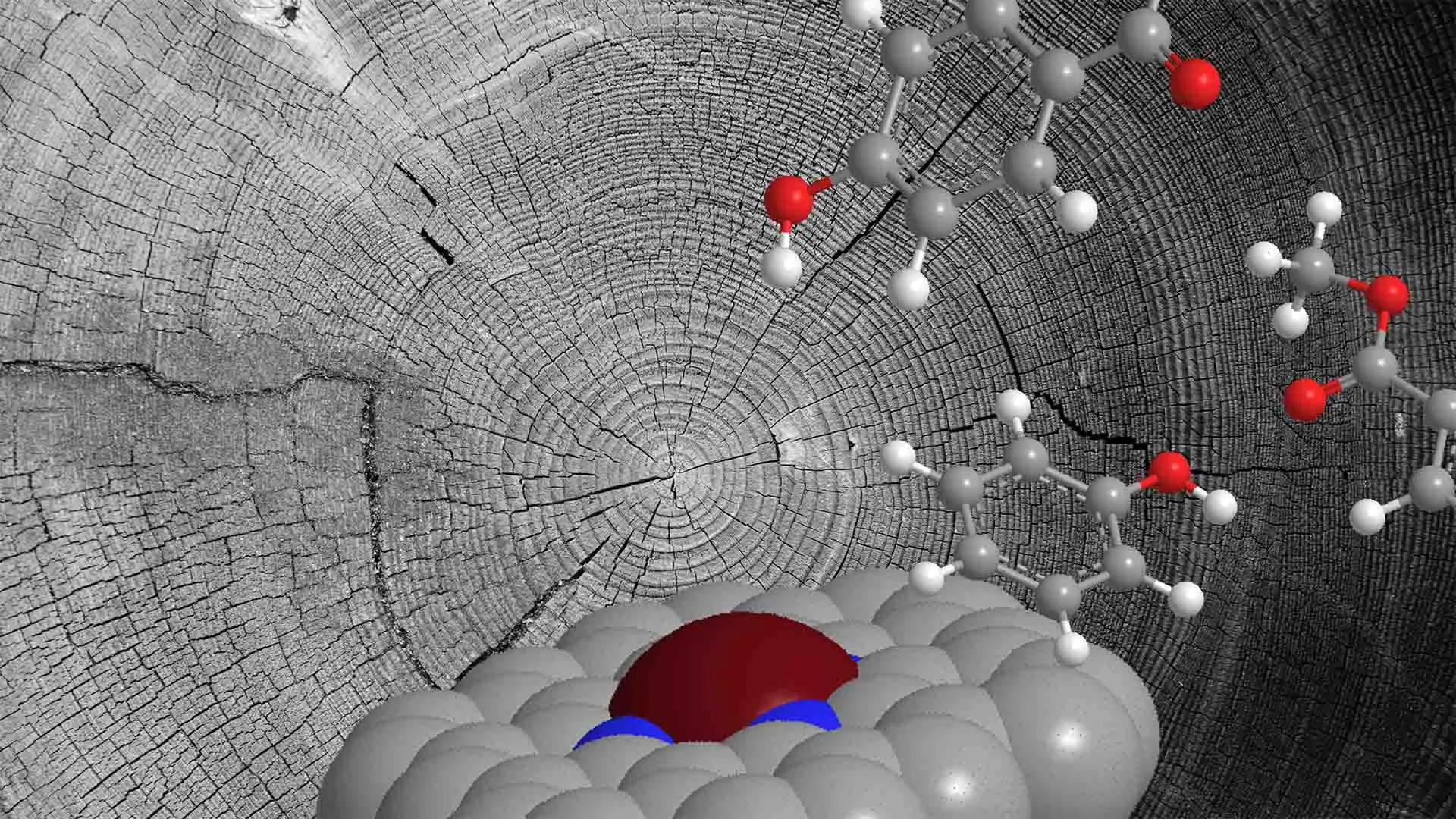
Scientists have developed a catalyst that efficiently breaks down lignin from plant waste.
This breakthrough could transform forestry and agricultural leftovers into renewable resources for fuels, plastics, and more. The catalyst operates under mild conditions, making the process economically viable and environmentally friendly.
The new method turns what was once considered waste into valuable chemicals, potentially reducing reliance on fossil fuels.
Long-term, this technology could decrease demand for non-renewable resources and reduce agricultural waste, but it also poses challenges in scaling up production and ensuring sustainable sourcing of plant materials.
What are the immediate real estate and economic risks?
While the catalyst promises economic benefits by creating new markets for agricultural waste, there may be initial disruptions as industries adapt. Real estate near processing facilities could see increased value due to industrial activity. However, environmental concerns over large-scale operations must be addressed.
The outlook is cautiously optimistic, with potential economic gains offsetting some risks.