 Escape Climate
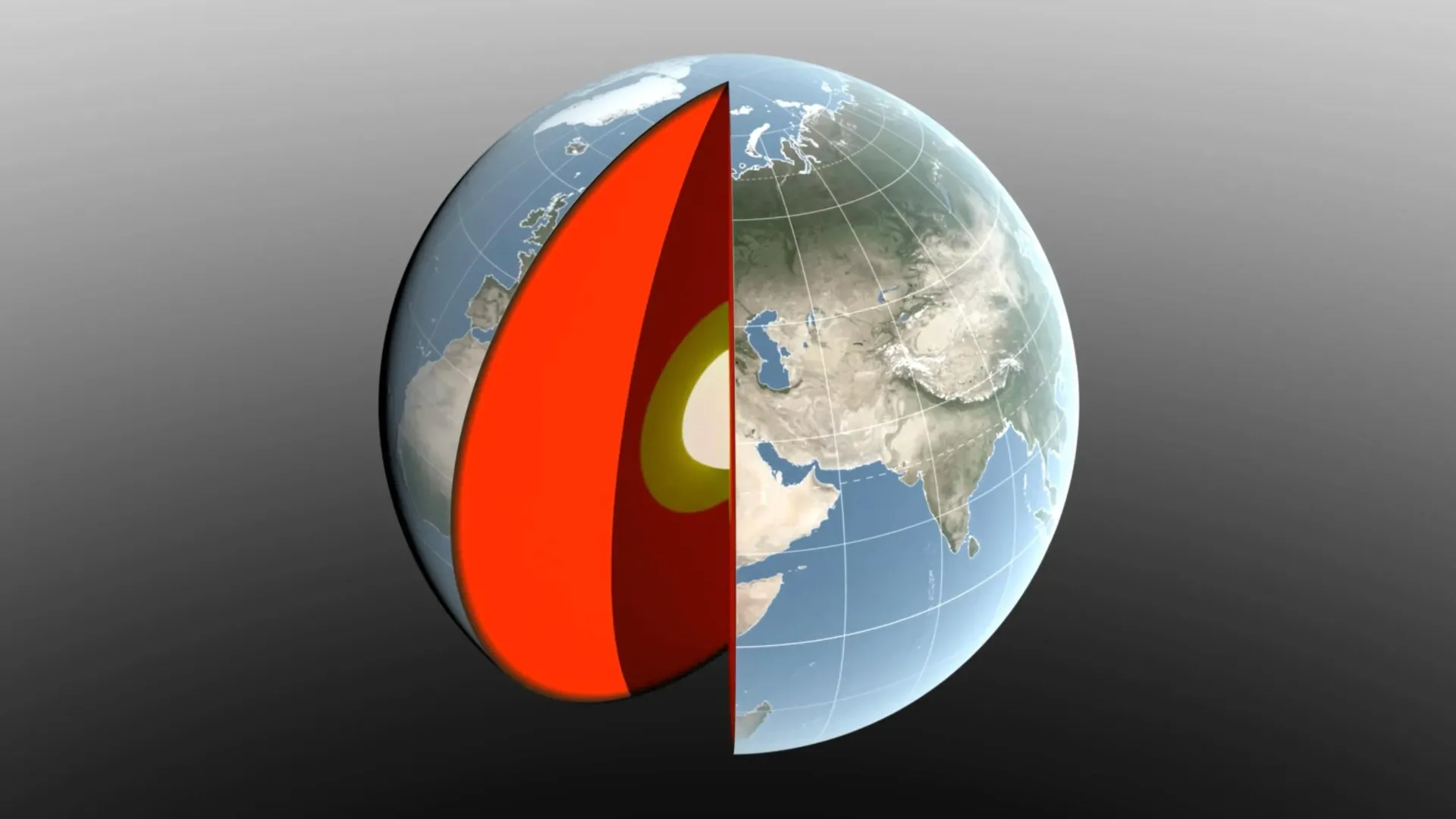
NASA Tracks Earth's Wobbling Core With Precision
Earth's center of mass is shifting by a few millimeters due to seasonal changes in water, ice, and air distribution.
NASA scientists have developed advanced methods using laser-ranging satellites and GPS data to track these subtle movements. The precision of the measurements allows for a better understanding of how water and ice deform Earth’s crust, providing insights into global environmental shifts.
The new tracking method helps monitor tiny swings in Earth's core caused by seasonal changes, offering clearer views on how our planet is affected by natural cycles.
Long-term monitoring could reveal more about the impact of climate change on Earth's mass distribution and its potential effects on geological stability.
What is the long-term climate outlook for this region?
The precise tracking of Earth’s core movements can help predict future environmental changes, especially related to water and ice. This data could be crucial in assessing risks linked to rising sea levels and melting polar ice caps.
Understanding these shifts is key to predicting climate impacts.