 Escape Climate
Morning glories face evolutionary dilemma in warming world
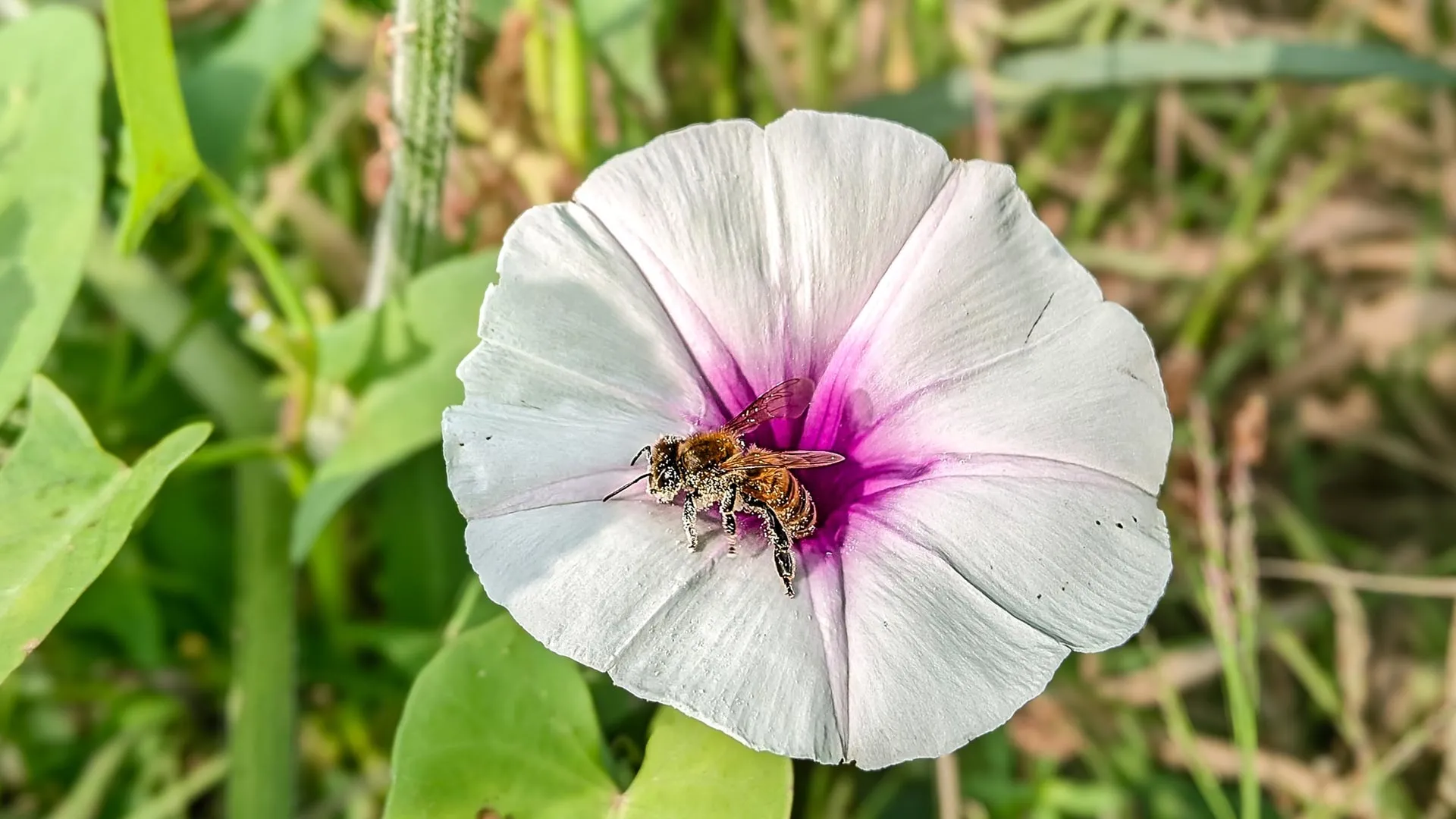
Morning glory plants are struggling to adapt as the climate warms.
The plants must balance adapting to higher temperatures with attracting pollinators, a task made harder by declining insect populations. Over just nine years, their adaptation rate dropped drastically despite genetic diversity, indicating an evolutionary bottleneck.
Researchers observed that morning glories adapted 96% less over nine years, suggesting they are evolving the wrong traits for survival in a warming world.
This struggle could lead to significant declines in plant populations and disrupt ecosystems dependent on these flowers. The long-term impact may also affect other species reliant on pollinators.
What is the long-term climate outlook for this region?
The decline in morning glory adaptation rates signals a broader issue with plant evolution under rapid climate change, potentially leading to ecosystem imbalances. Immediate action to support pollinator populations and genetic diversity could mitigate some risks.
Long-term prospects are concerning without intervention.