 Escape Climate
Japan’s Dormant Supervolcano Recharges with Fresh Magma
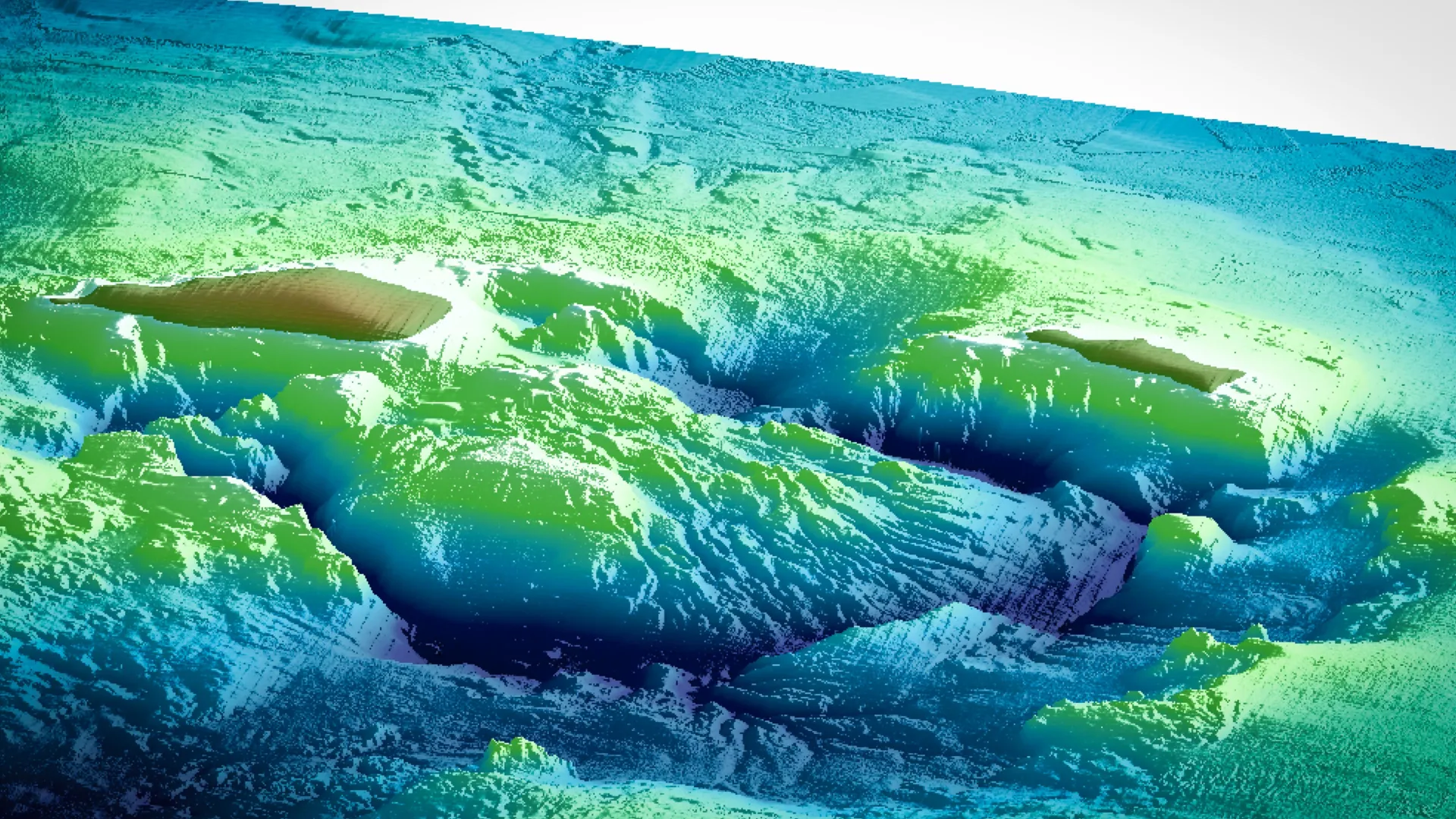
Deep below Japan, a massive magma reservoir is refilling the Kikai caldera.
Scientists used underwater seismic surveys to uncover a vast store of magma that has accumulated since an ancient catastrophic eruption 7,300 years ago. This discovery could provide crucial insights into how supervolcanoes like Yellowstone and Toba rebuild their magma supplies after massive eruptions.
The Kikai caldera is one of the most powerful supervolcanoes on Earth, and its recent activity suggests it may be preparing for another eruption in the future.
This long-term vulnerability poses significant risks to Japan's infrastructure and population. The potential for a catastrophic event could lead to widespread destruction and displacement.
What is the long-term climate outlook for this region?
The refilling of magma in Kikai caldera signals an increased risk of future eruptions, which could have severe impacts on local weather patterns and air quality. Residents should prepare for potential disruptions and consider relocation strategies.
The outlook is negative due to the heightened volcanic activity.