 Escape Climate
Irrigation's Climate Shield: Preventing Emissions Far Exceeds Its Own
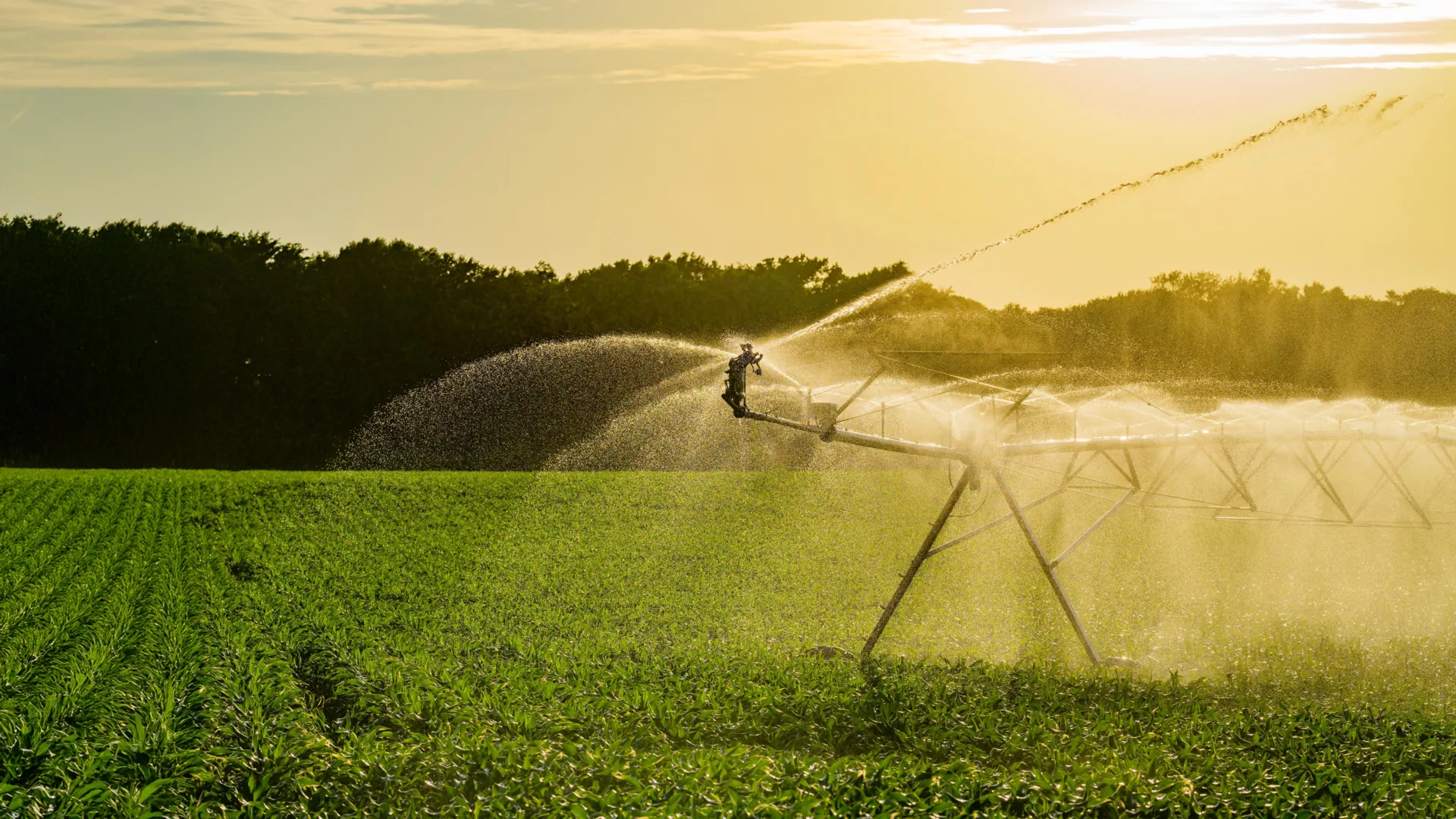
New research reveals that U.S. irrigation, despite its own greenhouse gas emissions, prevents far more by boosting crop yields and reducing land conversion.
The study highlights a critical balance where irrigation allows farmers to produce more food on existing lands, thus avoiding the need for further deforestation or ecosystem destruction. This preservation of natural areas could prevent an estimated 6.86 gigatons of greenhouse gases from being released into the atmosphere.
In essence, the emissions saved by preventing land conversion are equivalent to about 363 years of current U.S. irrigation emissions.
The long-term vulnerability lies in the sustainability of water resources for irrigation. As climate change progresses and water becomes scarcer, maintaining this balance will become increasingly challenging.
What is the long-term climate outlook for this region?
As climate change intensifies, ensuring sustainable water management for irrigation will be crucial to maintain its net positive impact on emissions. The risk of water scarcity could undermine these benefits if not addressed.
The outlook remains uncertain without robust water conservation measures.