 Escape Climate
Hidden Quakes Unearthed at Antarctica's Doomsday Glacier
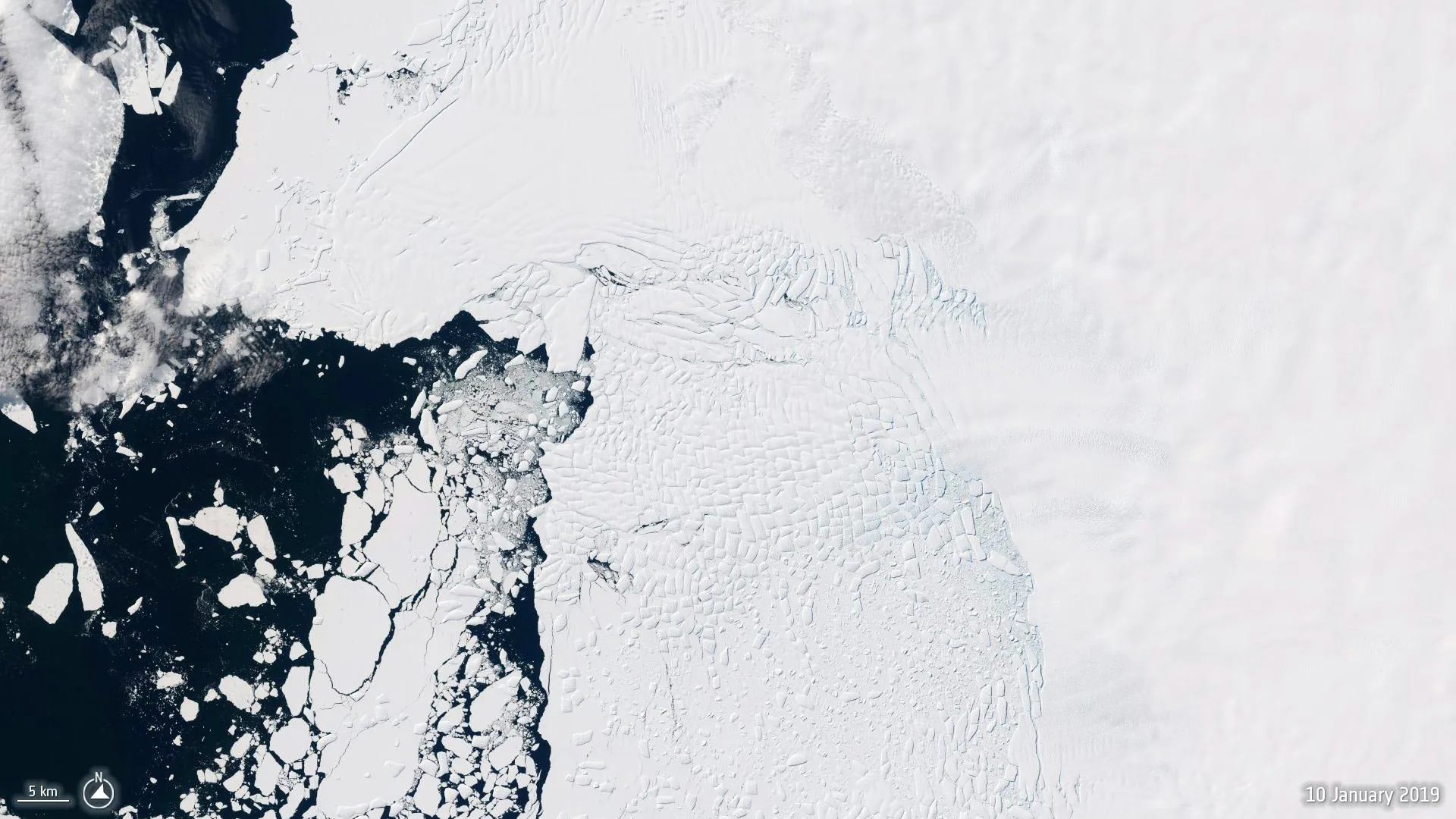
Hundreds of previously undetected seismic events have been found beneath Antarctica, with 245 near Thwaites Glacier.
These glacial earthquakes occur when massive icebergs break off and capsize, slamming into the glacier. The increased activity aligns with a period of faster flow towards the ocean, suggesting that changing ocean conditions are destabilizing the ice.
The surge in seismic events indicates that Thwaites Glacier is becoming more unstable as it moves toward the sea.
Long-term vulnerability to rising temperatures and shifting ocean currents could accelerate the glacier's retreat, contributing significantly to global sea level rise.
What is the long-term climate outlook for this region?
The increased seismic activity signals a growing instability in Thwaites Glacier. If current trends continue, it could lead to accelerated melting and contribute substantially to rising sea levels worldwide.
Outlook remains negative as destabilization continues.