 Escape Climate
Hidden Ice Reservoir Discovered Beneath Utah's Mountains
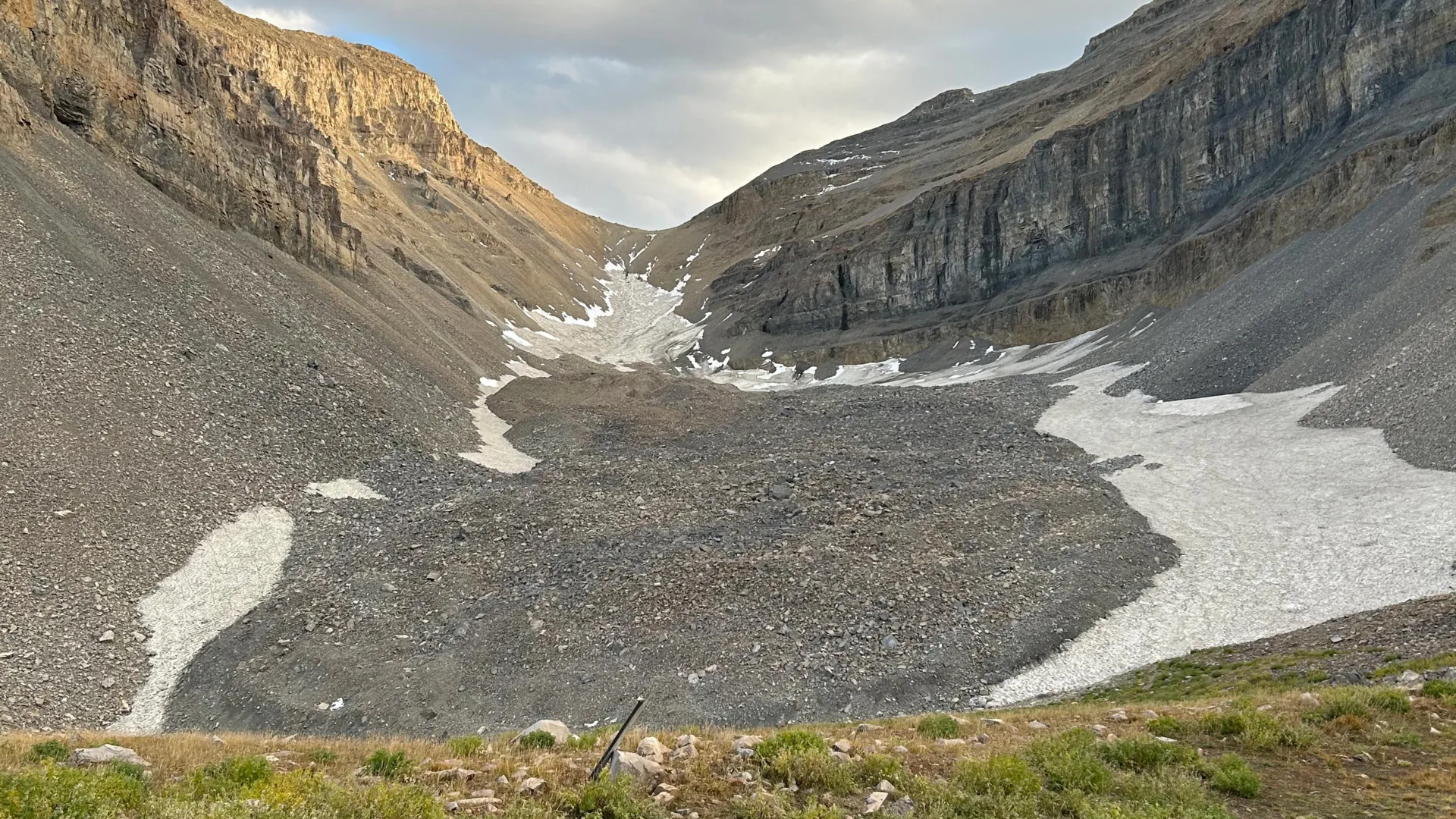
Scientists have uncovered a massive ice reservoir beneath Mount Timpanogos in Utah.
The discovery was made using gravity measurements to map the buried glacier, revealing it is about 83% ice and contains enough water to fill 600 Olympic swimming pools. This hidden ice forms as falling debris buries persistent snow, preserving it for thousands of years.
This means that beneath Utah's rocky mountains lies a significant amount of frozen water, far more than previously thought.
The existence of such large reservoirs could have implications for understanding regional water resources and the impacts of climate change on ice preservation.
What is the long-term climate outlook for this region?
While the discovery highlights a substantial hidden water resource, it also raises concerns about how these reservoirs will fare under continued warming trends. The long-term survival of such rock glaciers could be at risk if temperatures rise significantly, potentially leading to increased water scarcity in the future.
The outlook is cautiously negative, with potential risks to this newly discovered ice reservoir.