 Escape Climate
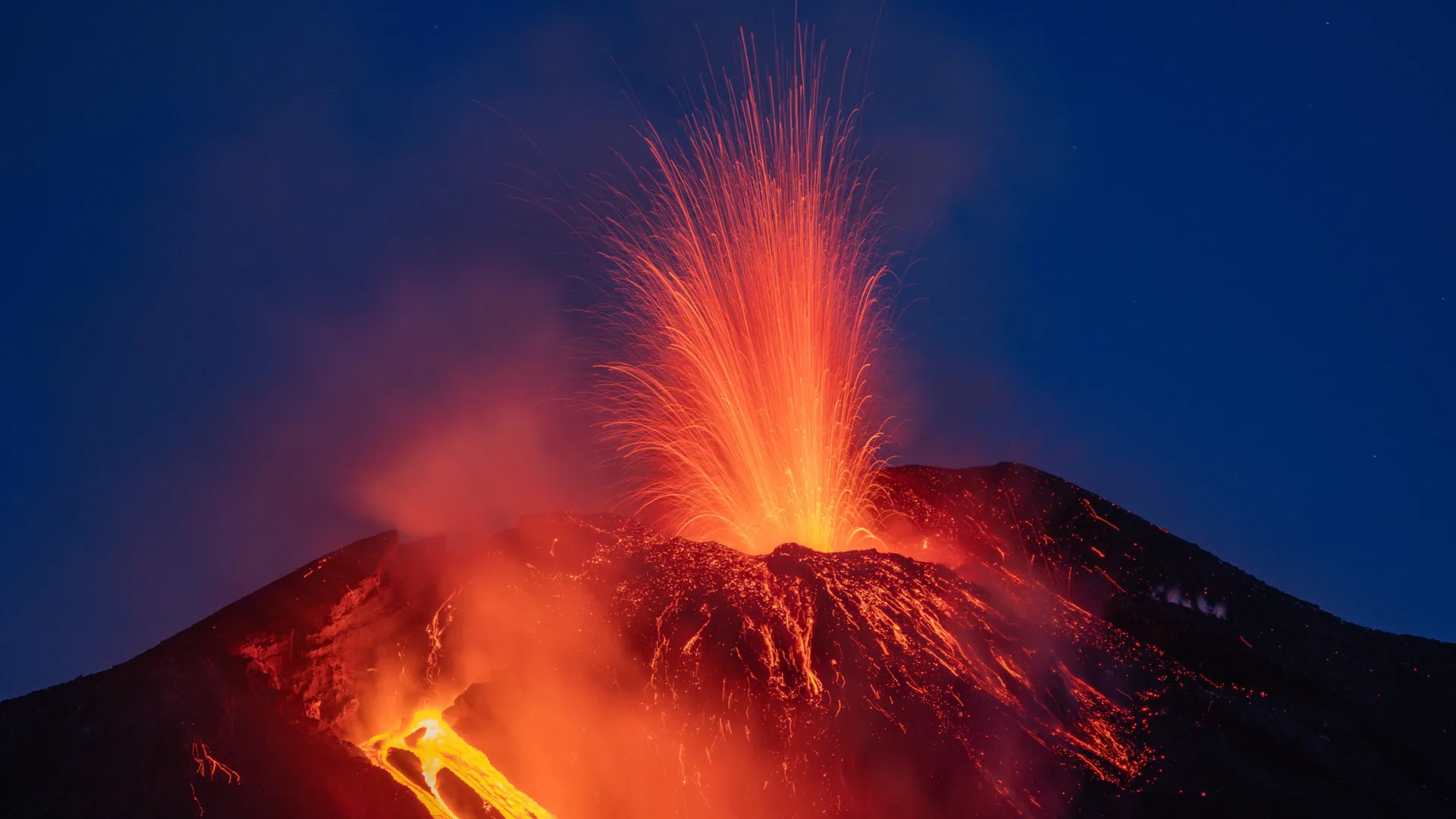
Etna's Eruptions Reveal Dramatic Differences in Magma Behavior
Mount Etna's recent eruptions showed vastly different magma behaviors, with some lasting weeks while others occurred in hours.
Scientists found that volcanic gases like carbon dioxide and water play a crucial role in determining the speed of an eruption. The presence or absence of these gases can cause magma to either linger near the surface for extended periods or surge upward rapidly from deep within the earth.
This discovery provides a new way to understand and potentially predict explosive eruptions, which could save lives by allowing for better evacuation planning.
The long-term vulnerability remains high as Etna continues to be one of Europe's most active volcanoes. Understanding these patterns is key to mitigating future risks.
What is the long-term climate outlook for this region?
While not directly related to climate change, understanding volcanic activity helps in assessing broader environmental risks. Improved prediction methods can aid in managing both natural and human-induced hazards.
The outlook remains cautious but informed.