 Escape Climate
El Niño Returns with a Vengeance
The current El Niño event is on par with the devastating 1997-98 and 2015-16 episodes, disrupting global weather patterns.
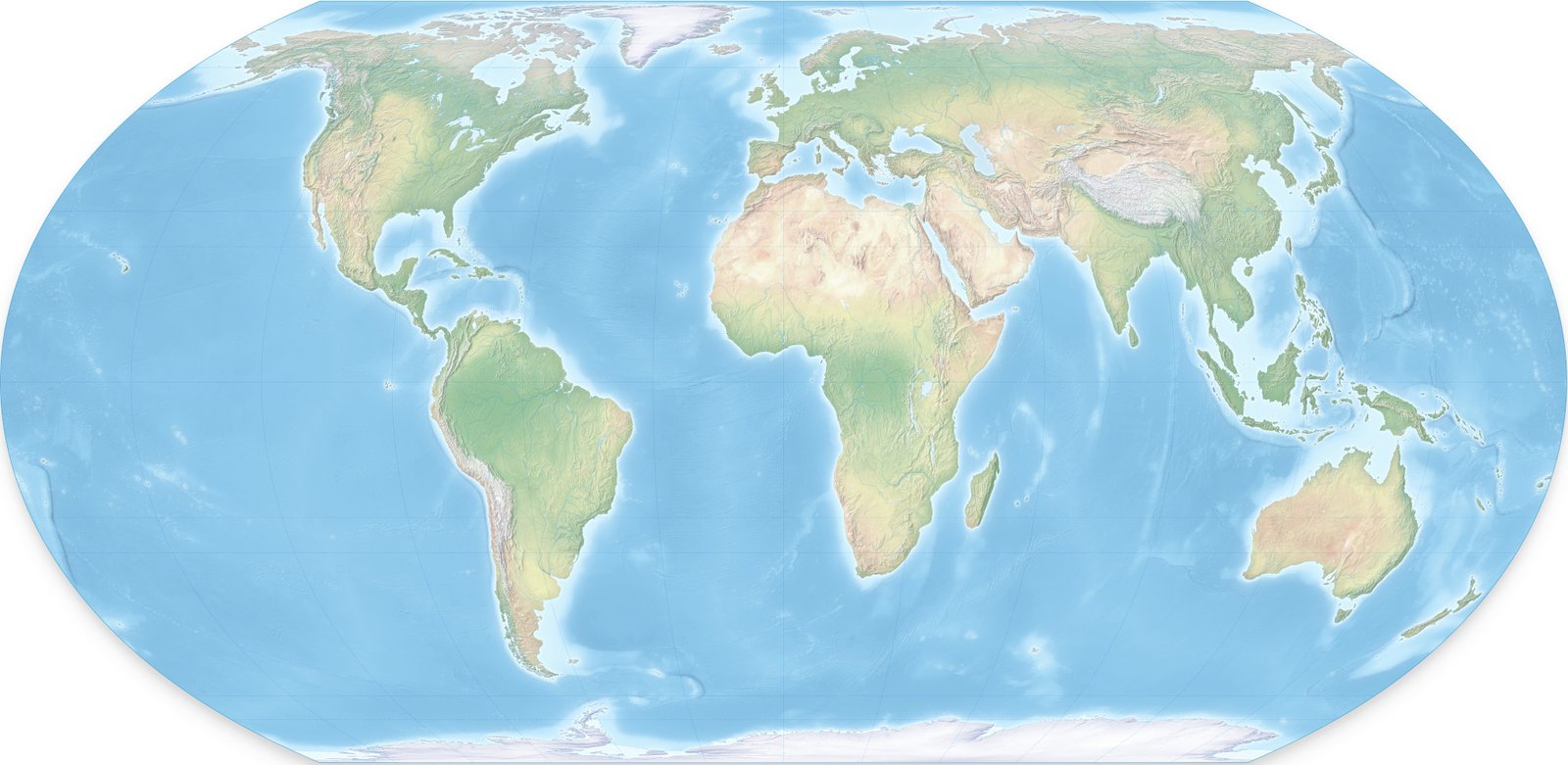
This cyclical climate phenomenon brings warmer-than-normal water to parts of the equatorial Pacific, leading to a cascade of extreme weather events worldwide. In previous strong El Niño years, fires raged in Indonesia and the Amazon, while southern Africa faced severe droughts that led to crop failures immediately. Southern California experienced heavy rains and coastal flooding.
The current El Niño is expected to cause similar widespread disruptions across different regions, affecting agriculture, weather patterns, and coastal areas.
Long-term vulnerability to these extreme events remains high as the frequency of strong El Niños could increase with climate change, exacerbating ecological degradation.
What is the long-term climate outlook for this region?
Communities must prepare for more frequent and intense El Niño impacts. Adaptation strategies should focus on resilient infrastructure and water management systems to mitigate future risks.
The outlook suggests a need for enhanced preparedness.