 Escape Climate
East Antarctica Surges with Unprecedented Ice Gain
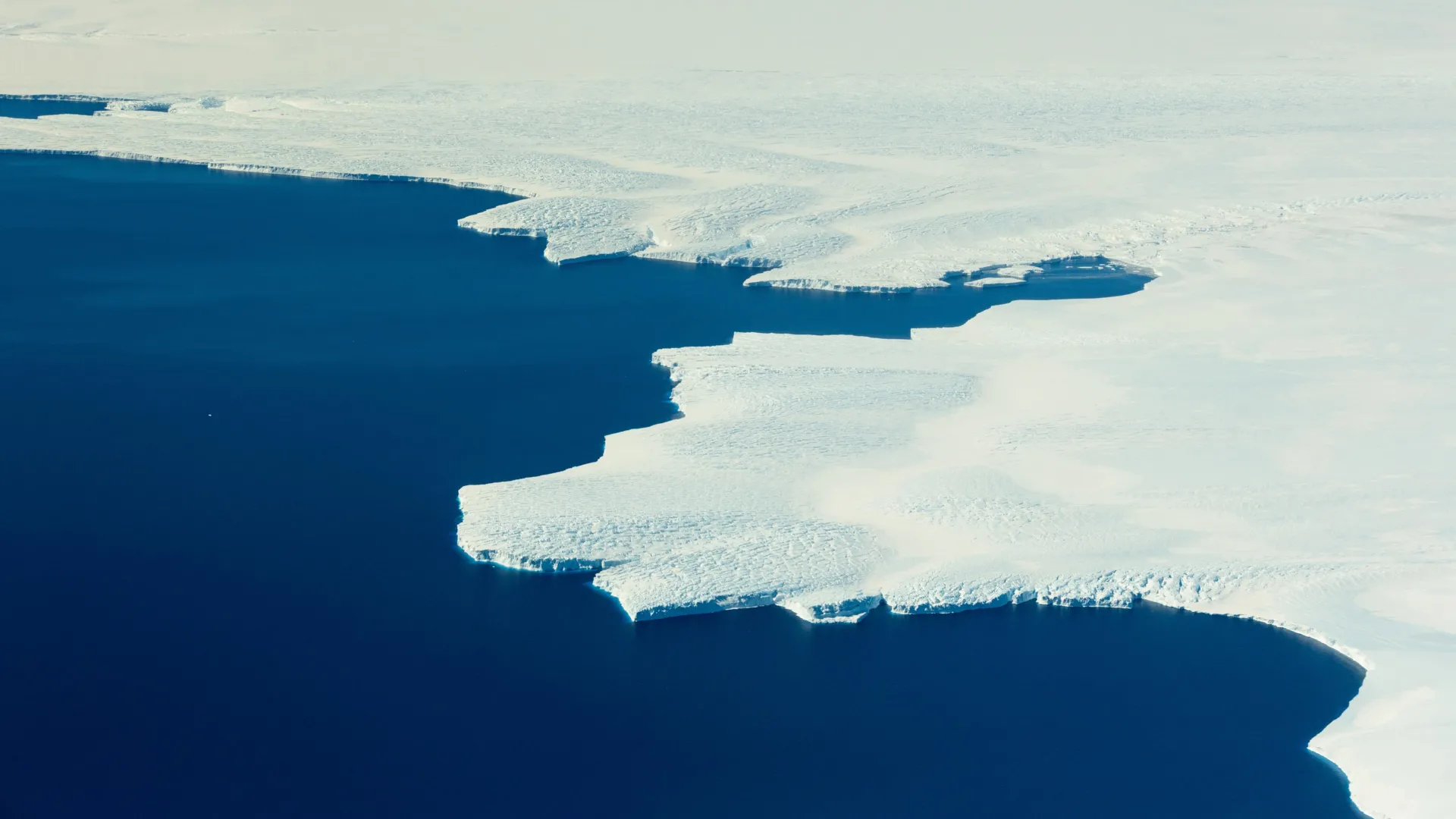
East Antarctica gained 695 billion tons of ice between 2021 and 2023.
Researchers discovered that warming in the tropical ocean altered atmospheric circulation, funneling moisture toward East Antarctica. This unexpected shift triggered heavy snowfall, temporarily reversing the continent's long-term ice loss trend. The findings highlight how distant climate changes can have significant impacts on polar regions.
The increase in ice is due to more moisture being pulled into the region from warmer tropical waters, leading to heavier snowfall.
While this recent gain offers a temporary reprieve, it does not negate the overarching trend of global warming and its long-term effects on Antarctica's ice sheets. The underlying climate dynamics suggest that such anomalies may be short-lived.
What is the long-term climate outlook for this region?
The recent ice gain in East Antarctica does not alter the broader trend of global warming and its impacts on polar regions. Long-term projections still indicate significant ice loss due to rising temperatures. This anomaly underscores the complexity of climate systems but doesn't change the overall risk.
Long-term outlook remains concerning despite short-term gains.