 Escape Climate
DNA Unlocks Secrets of Franklin Expedition's Lost Sailors
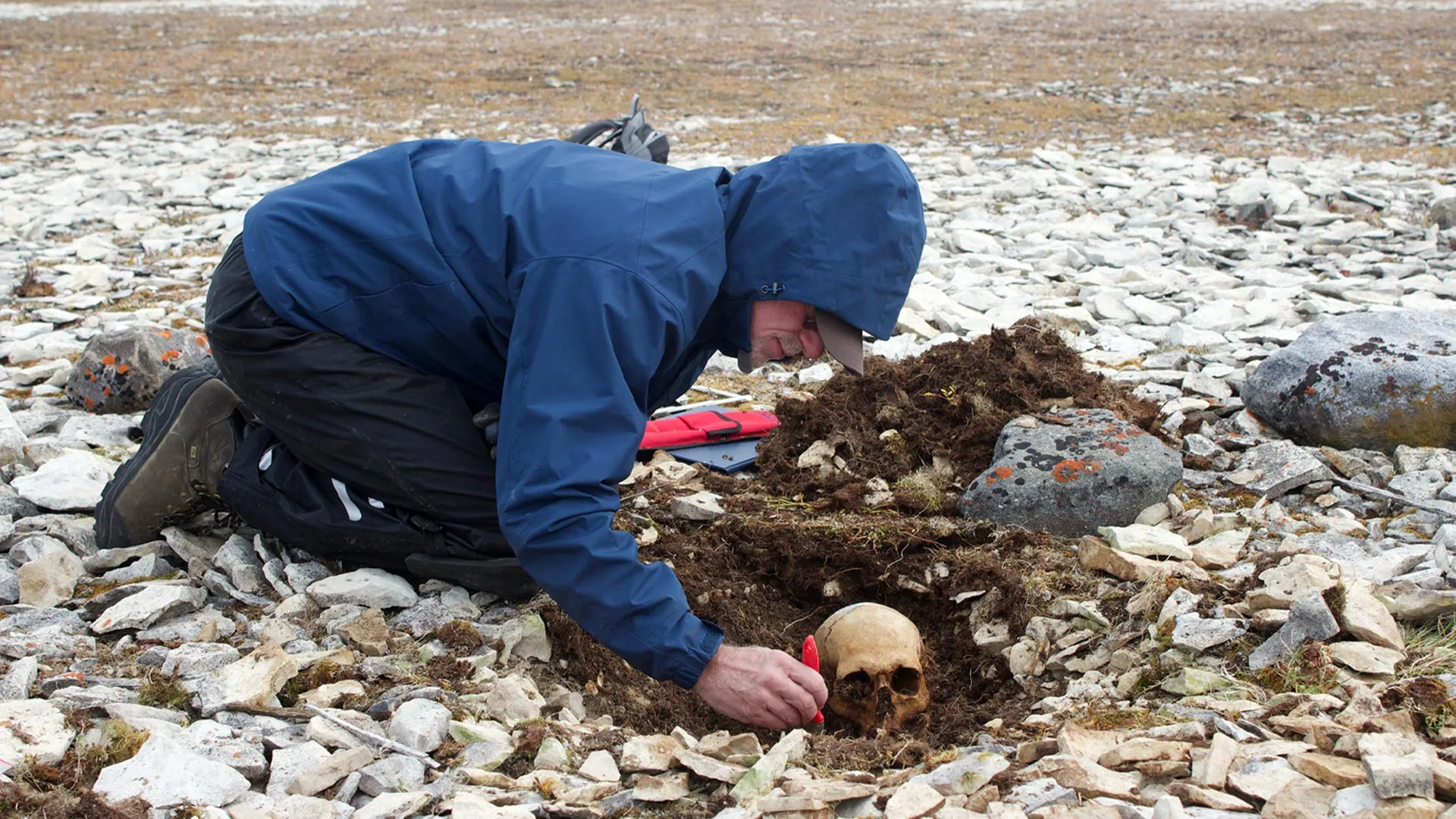
Scientists have identified four more members of the ill-fated 1859 Franklin expedition using DNA from living descendants.
The findings shed light on the harsh conditions and survival tactics of sailors who endured years in the Arctic, revealing a grim picture of human endurance against extreme cold. The crops failed immediately. This new evidence offers insights into the lives and deaths of those who perished during their desperate escape attempt.
DNA analysis has finally given names to four more bodies found in the Arctic, including Harry Peglar, whose identity was unknown for over 160 years.
These discoveries highlight the long-term vulnerability of human expeditions to the extreme cold and isolation of the Arctic. The ongoing research into these historical tragedies underscores the persistent risks posed by harsh climates.
What is the long-term climate outlook for this region?
The Arctic continues to face severe warming trends, which could lead to increased accessibility but also greater environmental instability. Historical expeditions like Franklin's underscore the dangers of extreme cold and isolation that persist despite modern technology.
Long-term risks remain high in the Arctic due to ongoing climate changes.