 Escape Climate
Discarded Food's Methane Emissions Fuel Climate Crisis
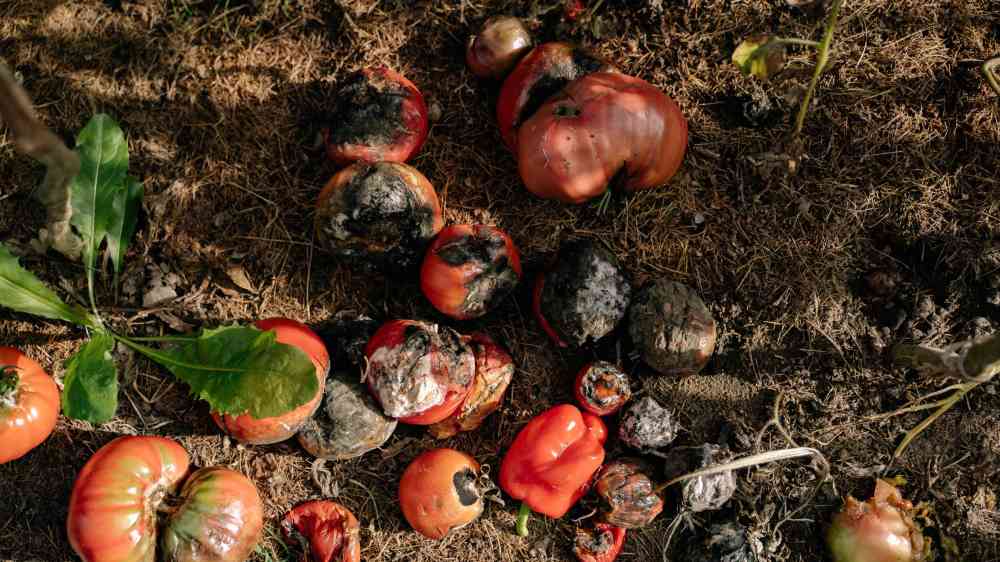
Decomposing food waste in landfills is a significant source of methane, a potent greenhouse gas.
The sheer volume of discarded food not only strains global food security but also exacerbates climate change by releasing substantial amounts of methane into the atmosphere. This cycle underscores the urgent need for better waste management and reduction strategies to mitigate environmental impacts.
When food rots in landfills, it produces methane, a greenhouse gas far more potent than carbon dioxide. This process contributes significantly to global warming.
The long-term vulnerability lies in the continuous accumulation of methane emissions from food waste, which could lead to irreversible climate changes if not addressed.
What is the long-term climate outlook for this region?
Improving food waste management and reducing overall food loss are critical steps. These actions can significantly lower methane emissions and help stabilize global temperatures, but require widespread adoption of sustainable practices.
Sustainable practices could curb the rise in methane levels.