 Escape Climate
Common Weedkiller Alters Honeybee Behavior, Threatening Hive Survival
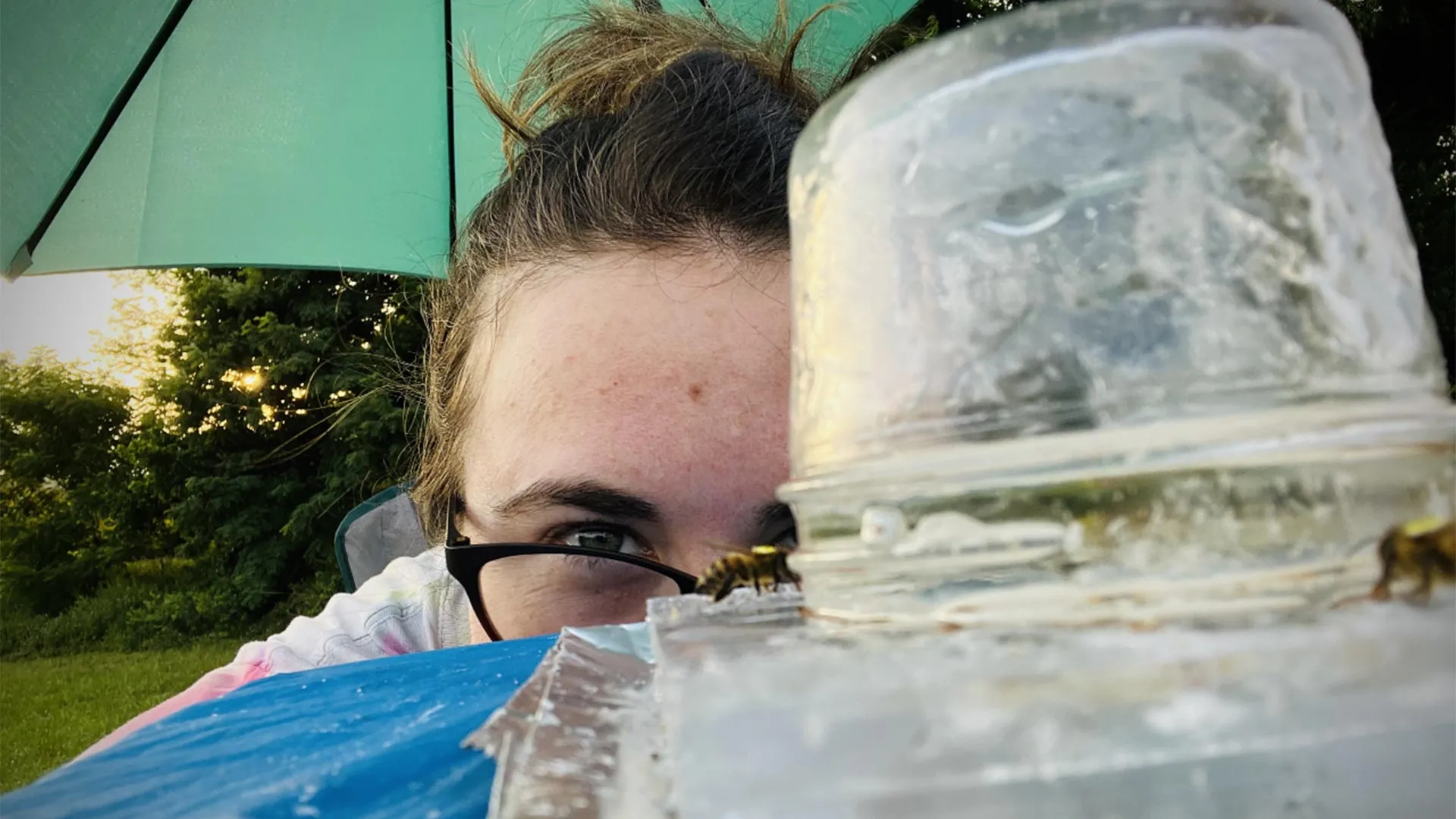
A new study reveals that glyphosate, the world's most widely used weedkiller, disrupts honeybee foraging and brain chemistry after just three days of exposure.
Researchers discovered that exposed bees reduced their foraging by 13 percent, which could significantly impact hive productivity and long-term survival.
This finding challenges previous assumptions about the safety of glyphosate for honeybees and highlights potential broader implications for pollination and agricultural yields.