 Escape Climate
Colombian Rocks Upend Timeline on Americas' Collision
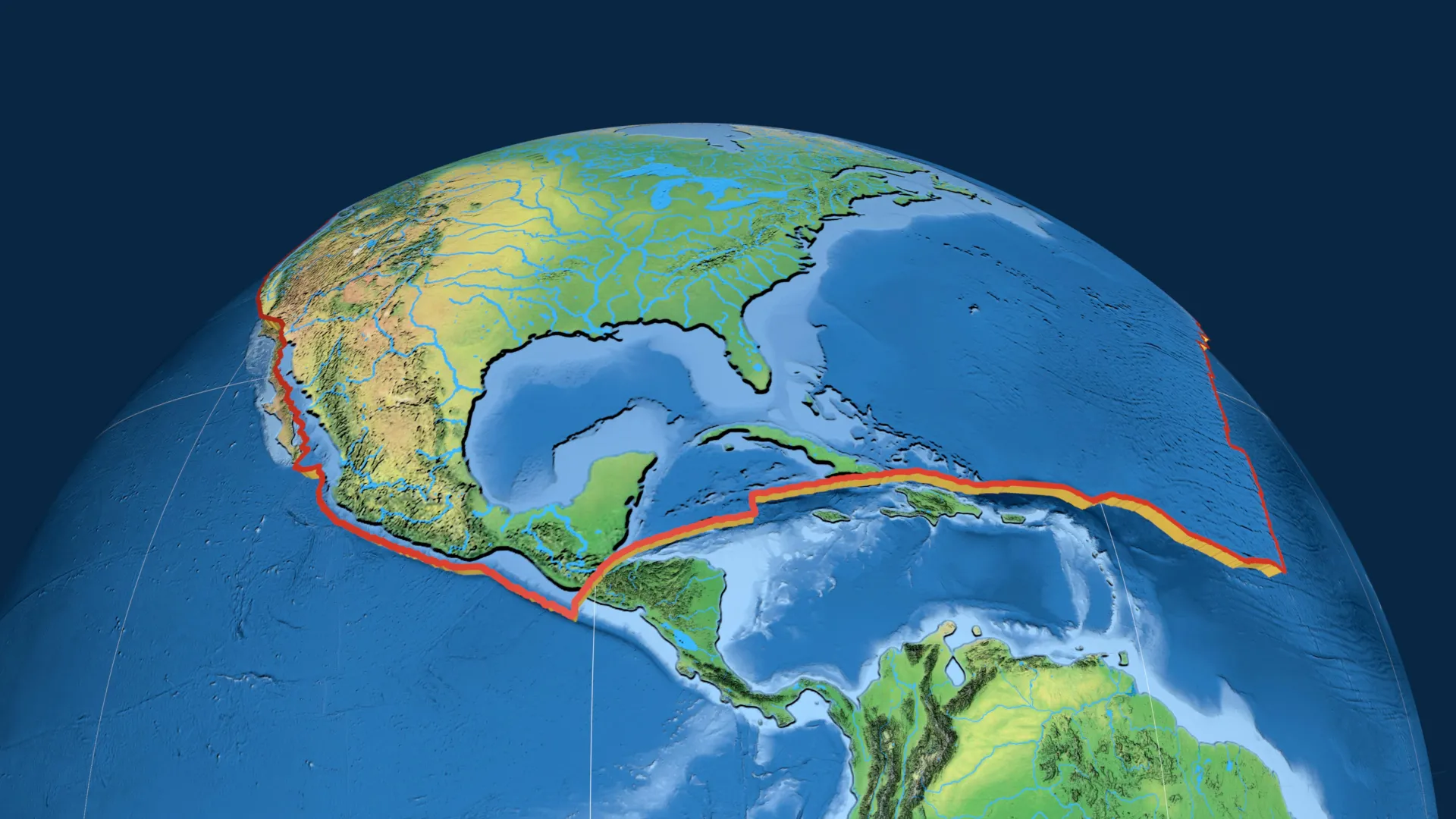
Volcanic rocks in Colombia are revealing a much earlier timeline for when Central and South America collided.
The magnetic signatures within these rocks indicate that major tectonic deformation had already begun to wane by the late Miocene, pushing back the date of the most intense collision. This discovery challenges previous geological assumptions about the timing of this continental event.
Essentially, the Americas came together millions of years earlier than scientists previously thought, based on new evidence from Colombia's volcanic rocks.
This finding suggests a need for reevaluating the long-term climate and ecological changes that followed the collision. The earlier timeline could mean different patterns in ocean currents and weather systems.
What is the long-term climate outlook for this region?
The revised timeline of the Americas' collision may necessitate a rethinking of historical climate models, particularly those related to ocean circulation. This could have significant implications for understanding past and future climate changes in South America.
Revised models are needed.