 Escape Climate
Chernobyl's Radioactive Legacy Lingers Longer Than Predicted
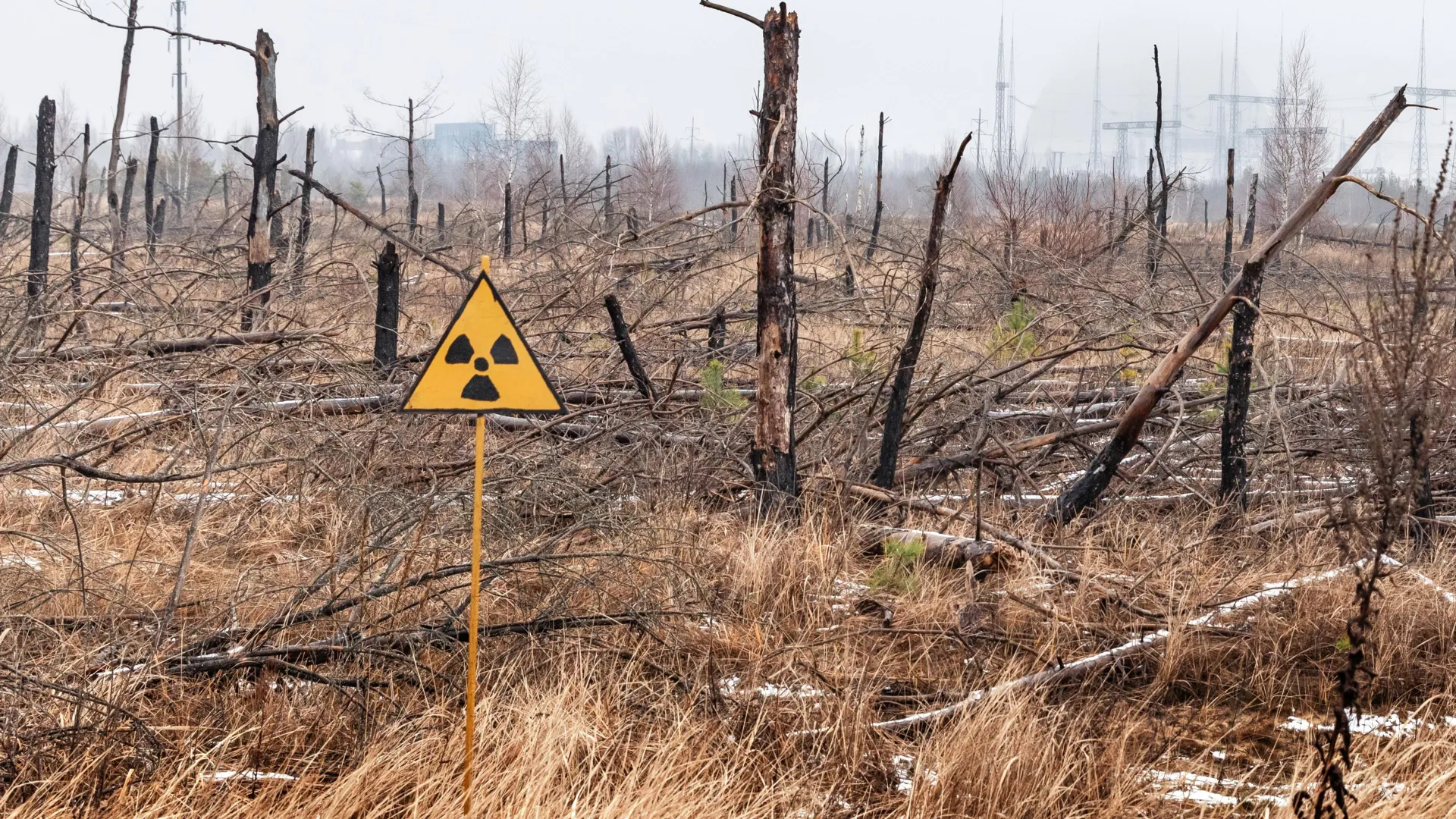
Forty years after the Chernobyl disaster, tiny radioactive particles persist in the soil.
Scientists using powerful X-rays found that some of these particles have remained stable, trapping radioactive substances inside rather than releasing them into the environment. This unexpected stability challenges previous assumptions about the decay and dispersion of nuclear fallout, potentially altering long-term environmental risk assessments.
The discovery means that areas around Chernobyl may remain contaminated for longer periods than initially thought, affecting plans for decontamination and safe habitation.
This prolonged contamination could lead to extended health risks for any human or wildlife exposure. The ecological degradation in the region remains a significant concern.
What is the long-term climate outlook for this region?
The long-term stability of radioactive particles complicates environmental recovery efforts and could prolong the exclusion zone's status indefinitely. This situation may also impact local biodiversity, with potential cascading effects on regional ecosystems.
Environmental recovery remains uncertain.