 Escape Climate
Brazil's Acre State Grapples with Road Expansion Amid Deforestation Fears
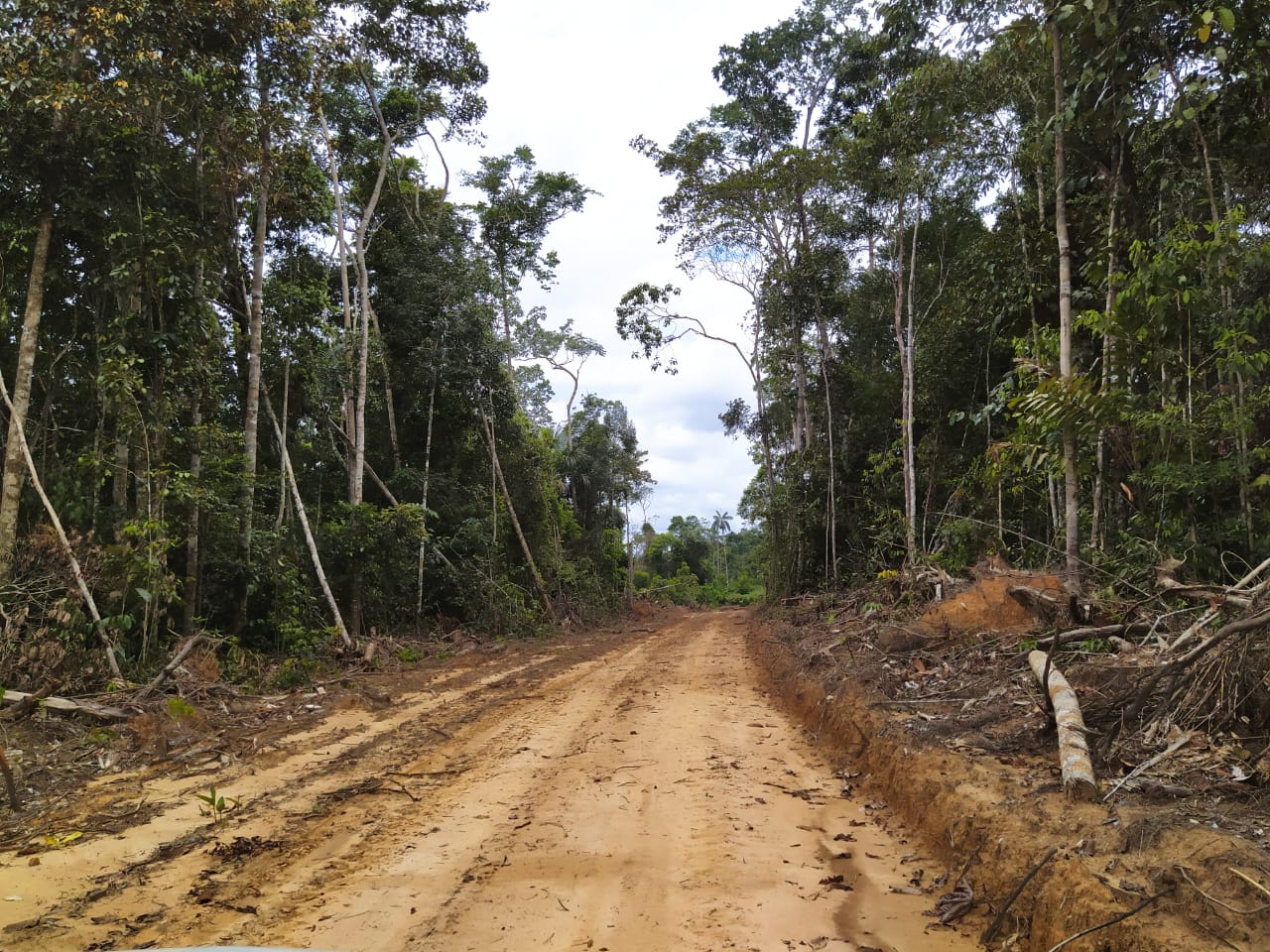
In Brazil’s Acre state, new roads are slicing through the Amazon rainforest.
The push for infrastructure development clashes with commitments to curb deforestation. The repaved BR-317 highway has opened up vast areas of forest to cattle ranching and logging, leading to widespread pastureland where dense jungle once thrived. Solitary Brazil nut trees stand as stark reminders of the lost biodiversity.
The expansion of roads is fueling environmental destruction in one of the world's most critical ecosystems.
This trend signals a long-term vulnerability to ecological degradation and loss of crucial carbon sinks, exacerbating global warming.
What is the long-term climate outlook for this region?
The continued deforestation in Acre will likely lead to increased greenhouse gas emissions and reduced biodiversity. Local communities and wildlife face severe threats as habitats shrink. The Brazilian government must balance development needs with environmental protection to mitigate these risks.
The long-term climate outlook for the region is concerning due to ongoing deforestation.