 Escape Climate
Australian Forest Experiment Reveals Unexpected Carbon Storage Success
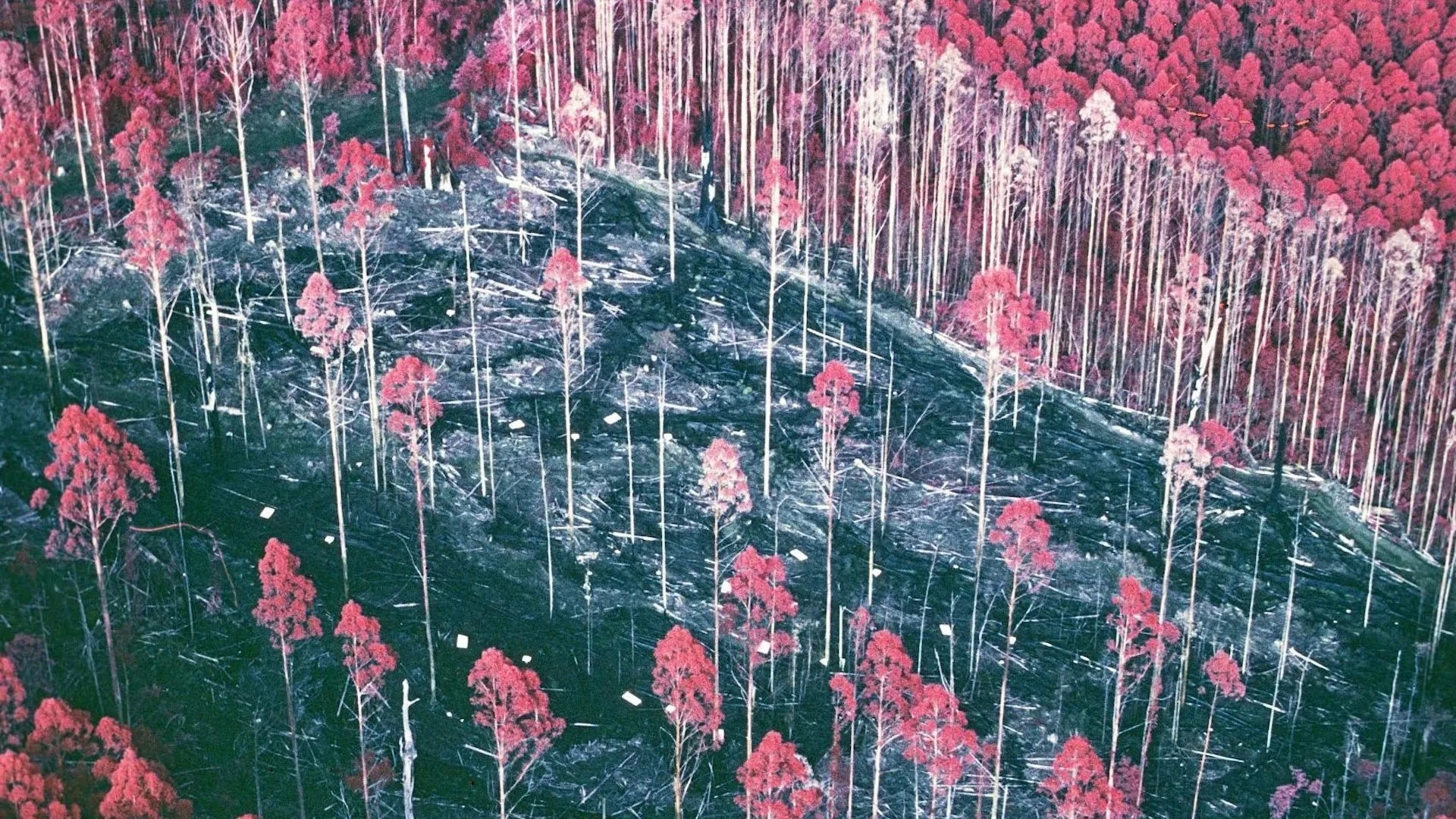
A 30-year forestry experiment in Australia found that thinned mountain ash forests grew large trees while matching or exceeding carbon levels of untouched areas.
The results suggest a carefully managed thinning approach can support timber production, wildlife habitat, and carbon storage simultaneously. This finding challenges conventional wisdom about forest management and its impact on carbon sequestration.
Thinning the forest allowed larger trees to grow, which in turn absorbed more carbon than expected, proving that sustainable forestry practices can be effective for both economic and environmental goals.
The long-term success of this approach could lead to new strategies for managing forests globally, potentially enhancing their role in combating climate change.
What is the long-term climate outlook for this region?
This experiment's outcomes suggest that with proper management, Australian forests can play a significant role in carbon storage. However, broader adoption of these practices will depend on policy support and further research. The potential exists to enhance forest resilience against future climate impacts.
The outlook is cautiously optimistic for leveraging managed thinning to bolster carbon sequestration.