Escape Climate
Australia's Red Outback Blooms with Unprecedented Wildflowers
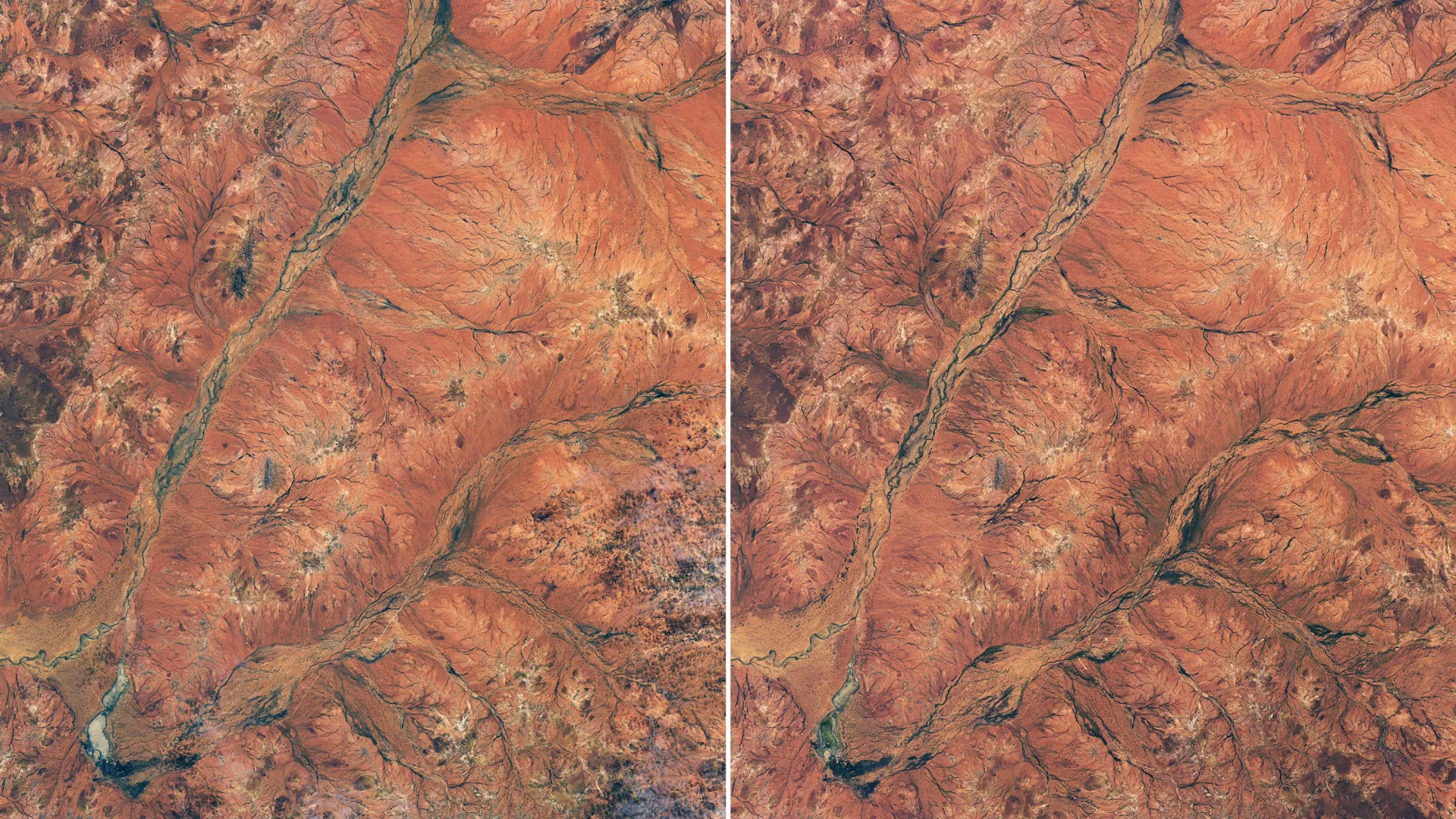
Unusually heavy rains have transformed Australia's arid outback into a vibrant sea of wildflowers.
The sudden burst of floral life is an ecological marvel, triggered by rare weather conditions that haven't been seen in nearly two decades. This phenomenon not only rejuvenates the landscape but also supports local biodiversity and tourism, which had suffered due to prolonged droughts.
The crops failed immediately. The transformation has brought a rare splash of color to remote areas, including the grounds of a deep-space observatory.
While this bloom is a welcome sight, it highlights the region's vulnerability to extreme weather events and underscores the need for adaptive strategies in agriculture and conservation.
What is the long-term climate outlook for this region?
The outback's future remains uncertain with increasing variability in rainfall patterns. Communities must prepare for more frequent droughts interspersed with heavy rain events, impacting both flora and fauna. Adaptation measures like water harvesting and drought-resistant crops are crucial.
Adaptation is key to survival.