 Escape Climate
Atlantic Current Weakening Could Reshape Global Weather
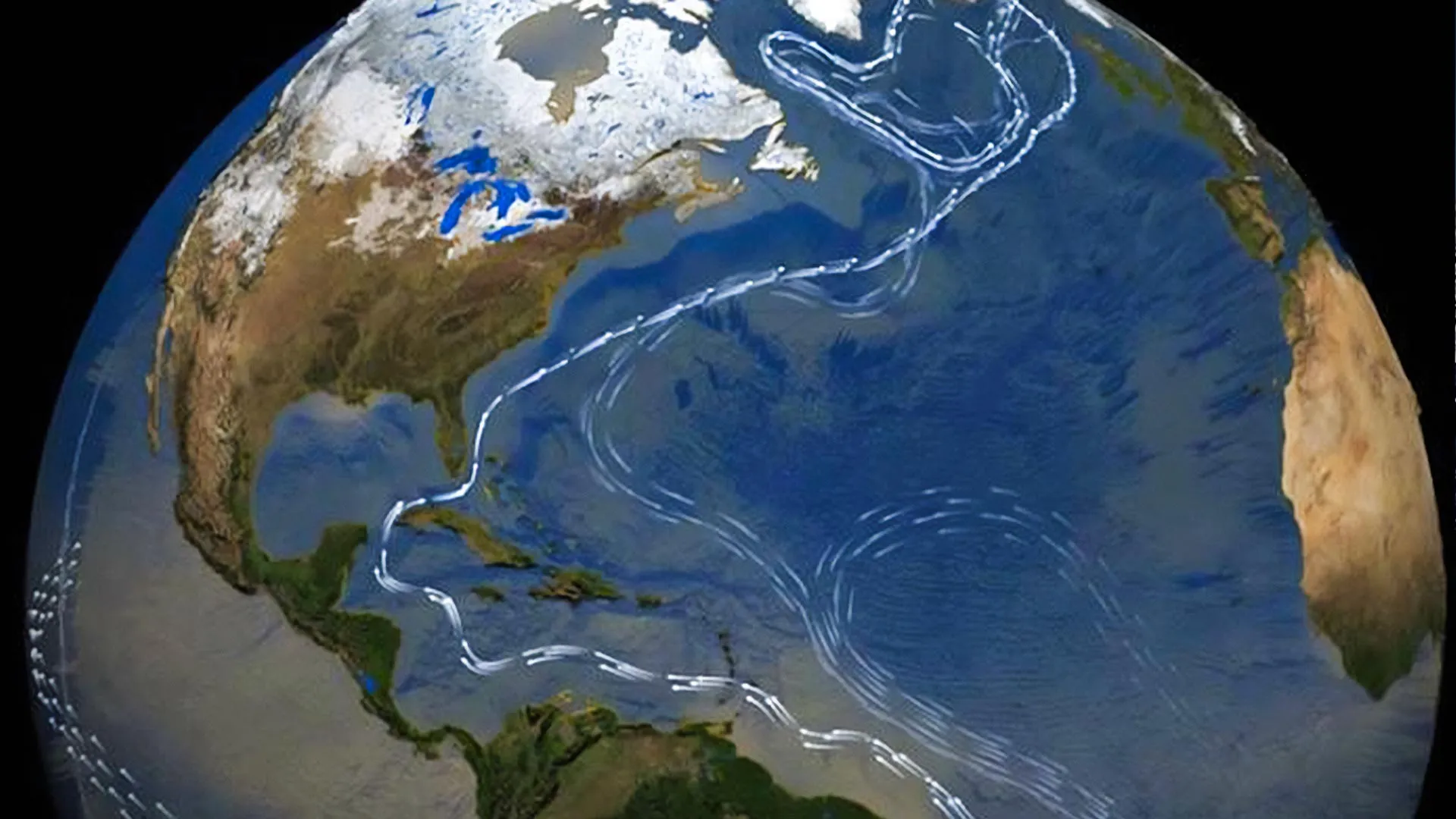
A key part of the Atlantic Meridional Overturning Circulation has been weakening for nearly two decades.
Observational evidence shows this current, crucial for regulating climate patterns, is slowing down across a wide stretch of ocean. The potential consequences include altered weather patterns, rainfall distribution, storm intensity, and coastal sea levels around the Atlantic.
The slowdown could lead to more extreme weather events and changes in seasonal temperatures and precipitation.
Long-term vulnerability includes increased risk of severe storms and flooding along coastlines, as well as shifts in agricultural zones due to changing climate conditions.
What is the long-term climate outlook for this region?
The weakening current could lead to more frequent extreme weather events and altered rainfall patterns. Coastal communities face increased risks of flooding, while inland areas may experience shifts in agricultural viability.
Outlook suggests increasing climatic instability.