Escape Climate
Astronaut Captures Earth's Own Moon-Like Rock Formation
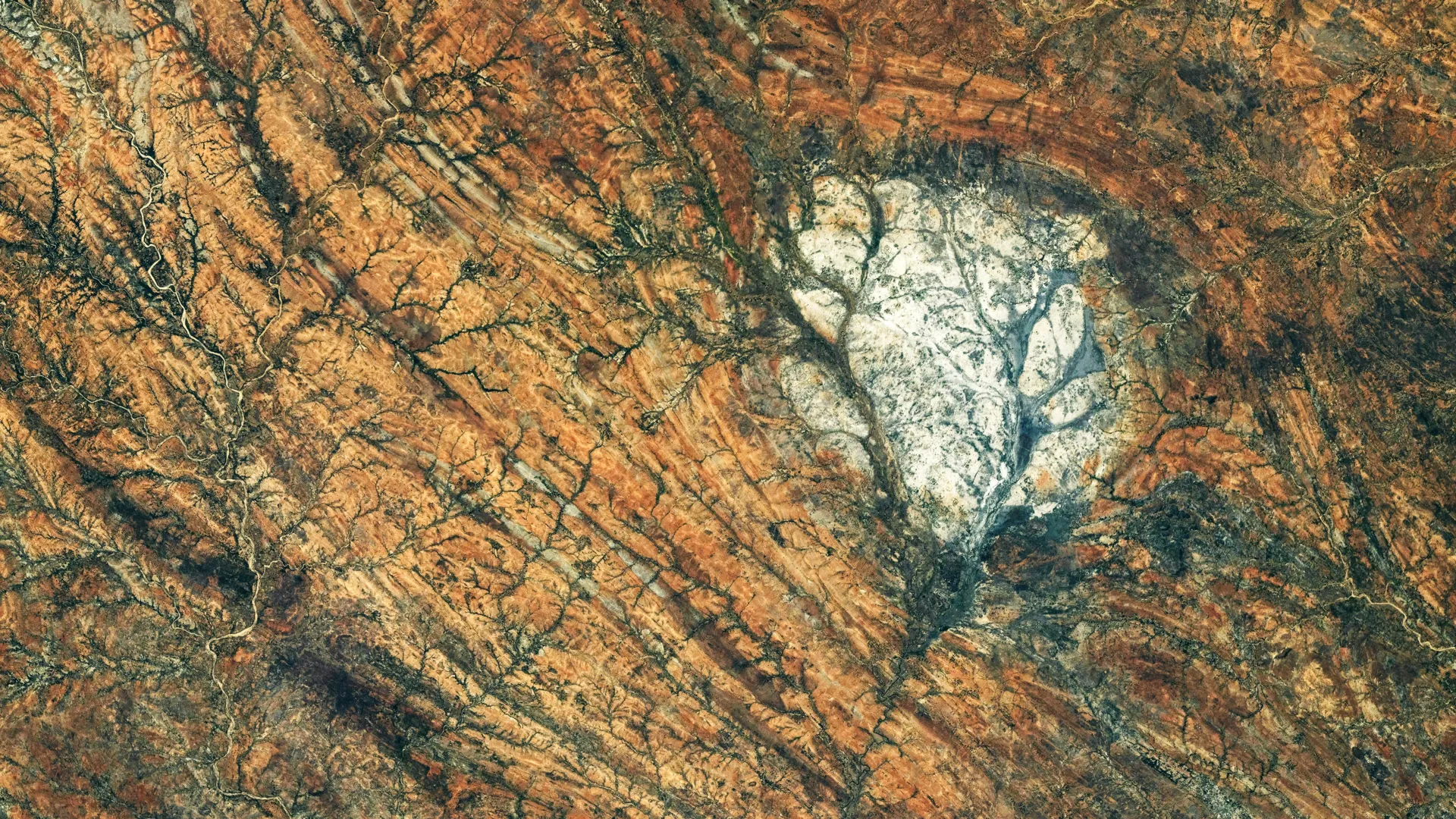
An astronaut aboard the International Space Station captured a striking image of anorthosite rock in Madagascar.
The formation, reminiscent of the Moon’s bright highlands, is composed of anorthosite and dates back at least 600 million years. It bears evidence of ancient continental collisions, offering insights into Earth's geological history.
This unique patch of rock looks like it belongs on the lunar surface rather than in a remote part of Madagascar.
The long-term vulnerability lies in how climate change could affect the preservation and study of such geological formations.
What is the long-term climate outlook for this region?
Climate change poses risks to geological sites like this one, potentially altering landscapes through erosion or other environmental shifts. Researchers must adapt their methods to preserve these invaluable records of Earth's past.
The outlook remains uncertain due to potential climate impacts.