 Escape Climate
Arctic Thaw Releases Ancient Carbon, but Seabed Acts as Natural Trap
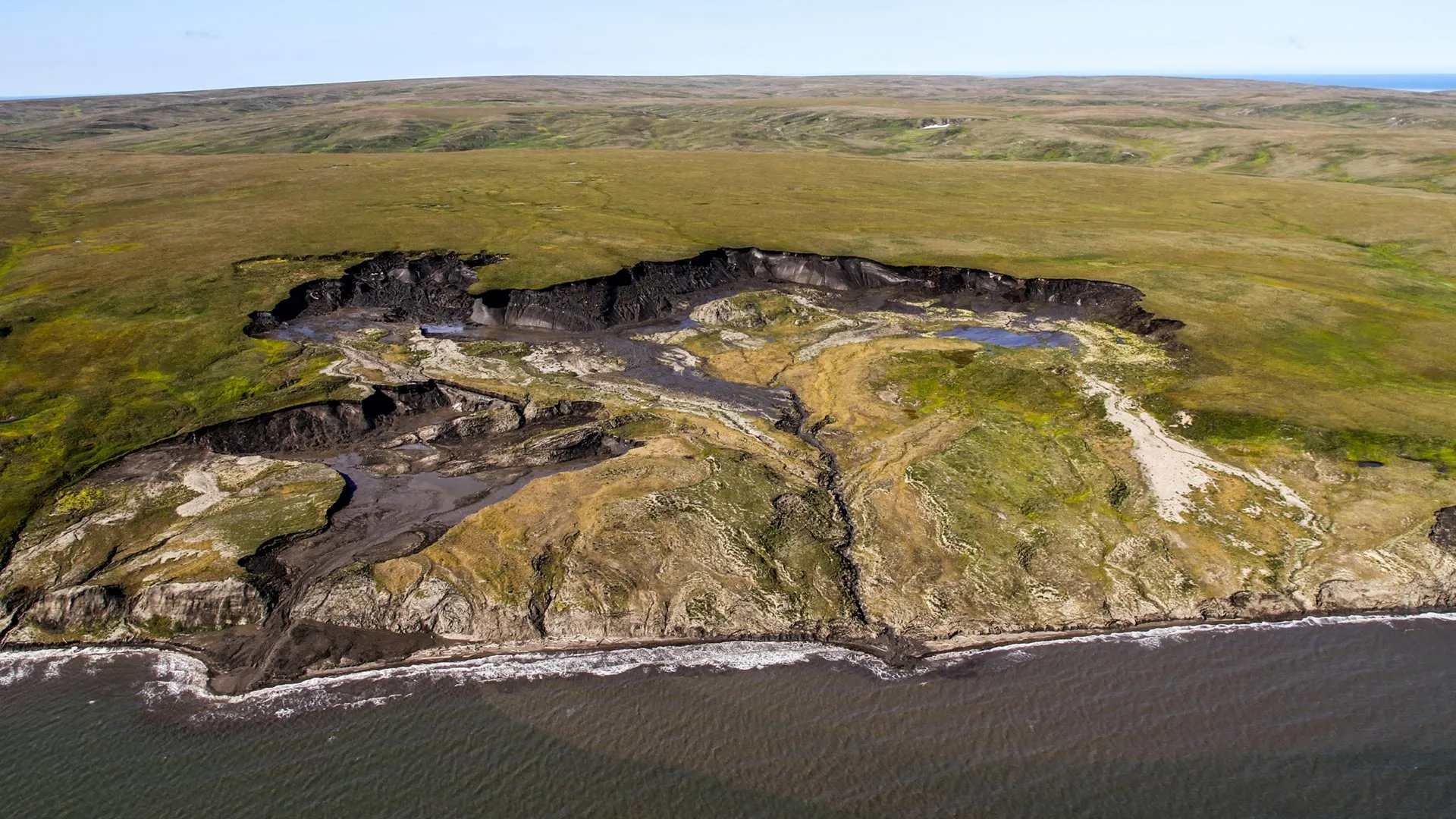
Thawing Arctic permafrost is releasing ancient carbon into the ocean near Canada’s Herschel Island, a process that could potentially accelerate climate change if microbes convert it to greenhouse gases.
However, new research shows that most of this land-based carbon becomes buried in the seafloor, with only about 10 percent being converted into gases. This finding provides some reassurance regarding the potential impact on global warming.
The thawing permafrost is a symptom of broader Arctic warming trends and highlights the region's vulnerability to climate change. The long-term implications for local ecosystems and global carbon cycles remain significant.