 Escape Climate
Arctic Sea Ice Hits Another Low; Future Looks Bleak
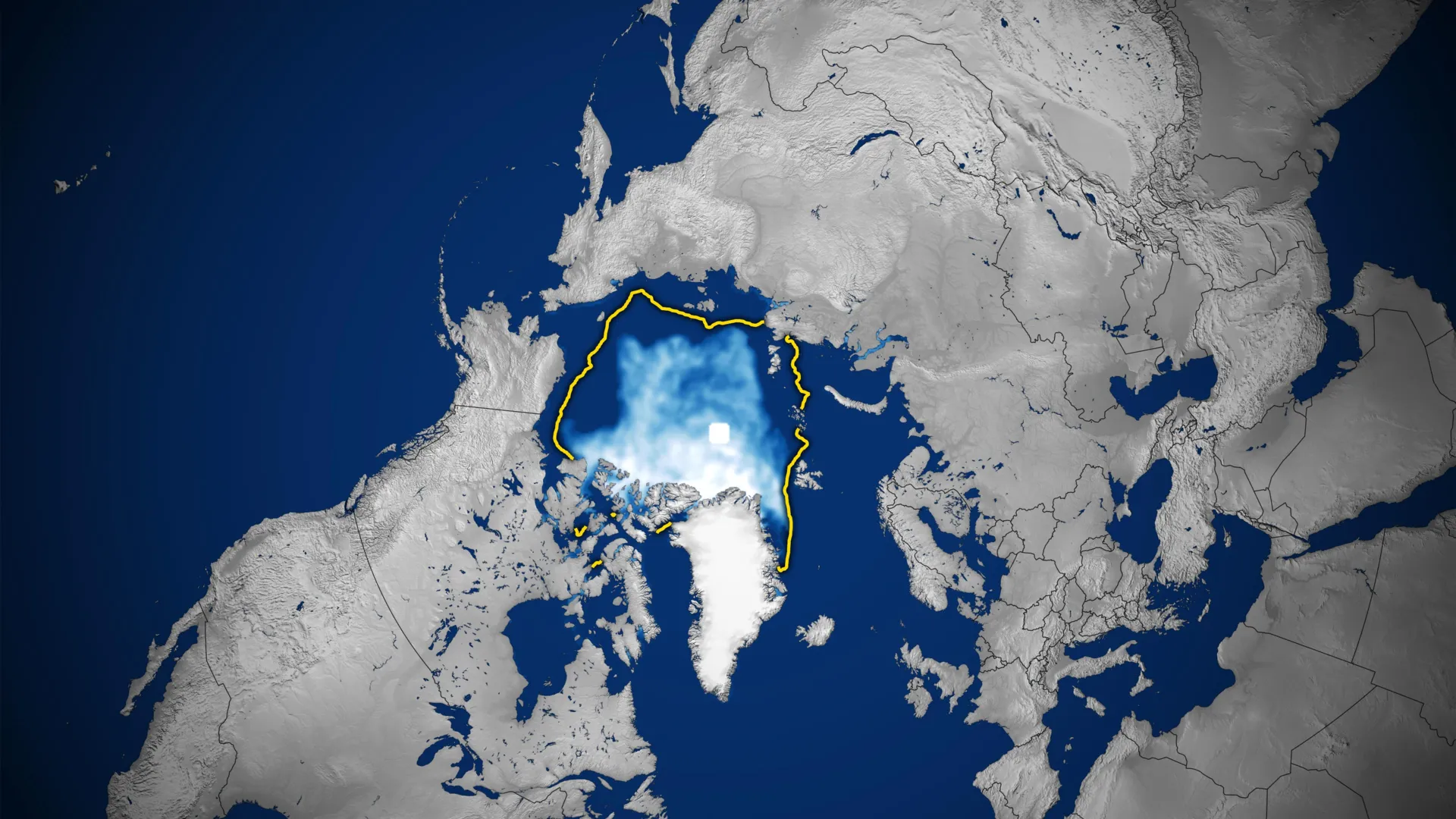
Arctic sea ice is shrinking in both winter and summer, with satellite records showing thinner, younger ice.
The region's remaining ice is becoming more vulnerable to melting due to rising temperatures. Despite a recent slowdown in summer losses, scientists predict an almost ice-free Arctic summer before 2050, signaling profound ecological shifts.
This means the Arctic could lose its iconic sea ice cover during summer months within decades, affecting wildlife and indigenous communities.
The long-term outlook reveals increased vulnerability to melting, leading to potential changes in ocean currents and global weather patterns.
What is the long-term climate outlook for this region?
The Arctic faces a future with less sea ice, which could disrupt marine ecosystems and amplify local warming. This scenario poses significant risks to coastal communities and wildlife dependent on ice cover.
Outlook remains negative as the region continues its rapid transformation.