 Escape Climate
Arctic Cloud Factory Revealed: Missing Piece in Climate Models
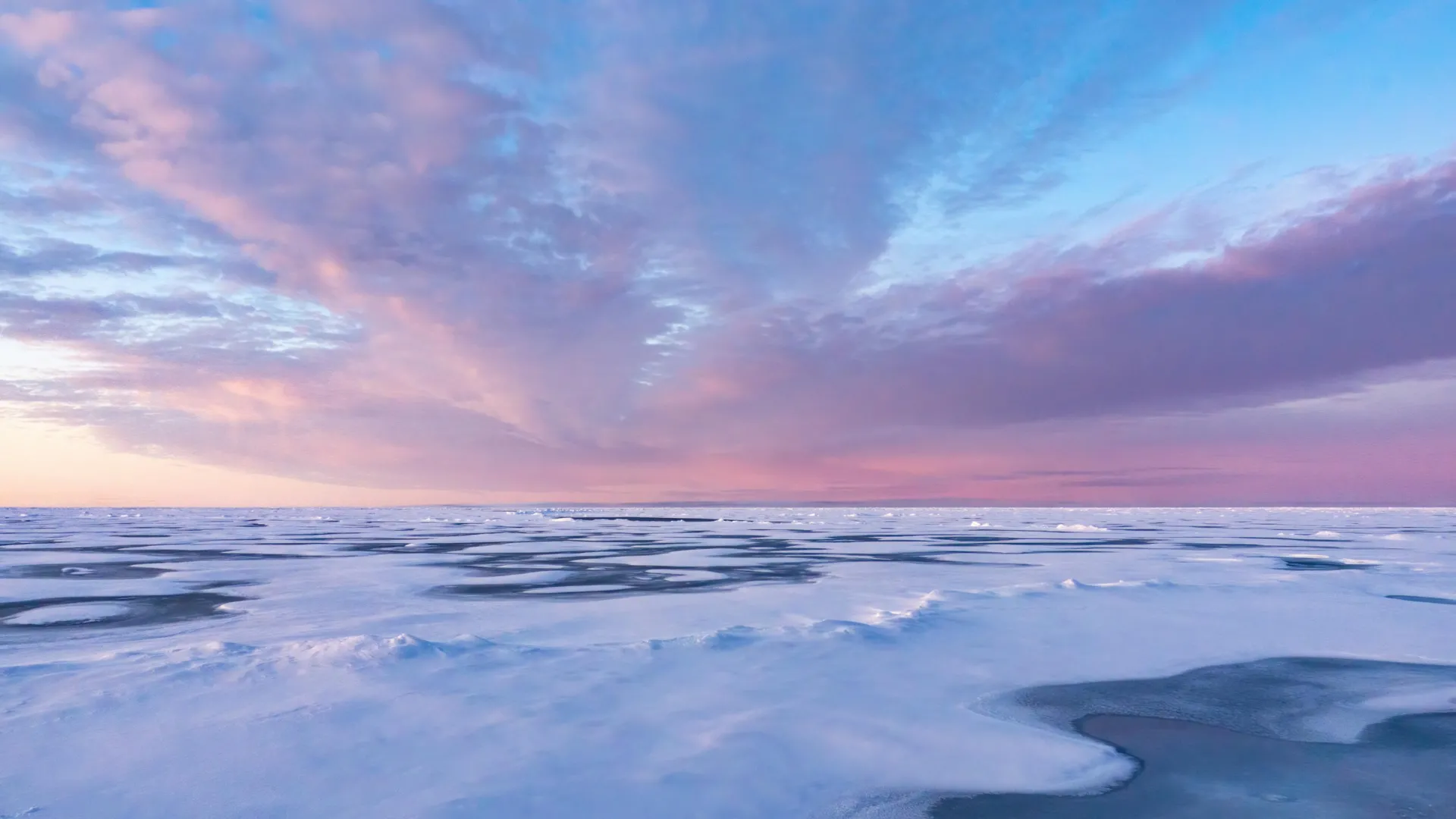
Scientists have uncovered a natural cloud factory near melting sea ice in the Arctic.
Sunlight interacts with chemicals from the ocean, algae, and ice to multiply cloud-seeding particles up to 50 times daily. This process could significantly impact climate models as it was previously unknown and not factored into predictions of Arctic warming trends.
The discovery means that current climate models may underestimate how clouds form in the Arctic, potentially altering our understanding of regional temperature changes.
As sea ice retreats, this cloud-forming region is expanding, which could have long-term implications for cooling effects and overall Arctic warming patterns.
What is the long-term climate outlook for this region?
The newly identified process may lead to more clouds in the Arctic, potentially providing a natural cooling effect. However, it also highlights gaps in current models that need addressing to accurately predict future warming trends. The long-term impact on regional temperatures remains uncertain.
Uncertainty persists over how this cloud-forming mechanism will affect overall Arctic climate.