 Escape Climate
Antarctica's Sea Ice Hits Third-Lowest Winter Maximum
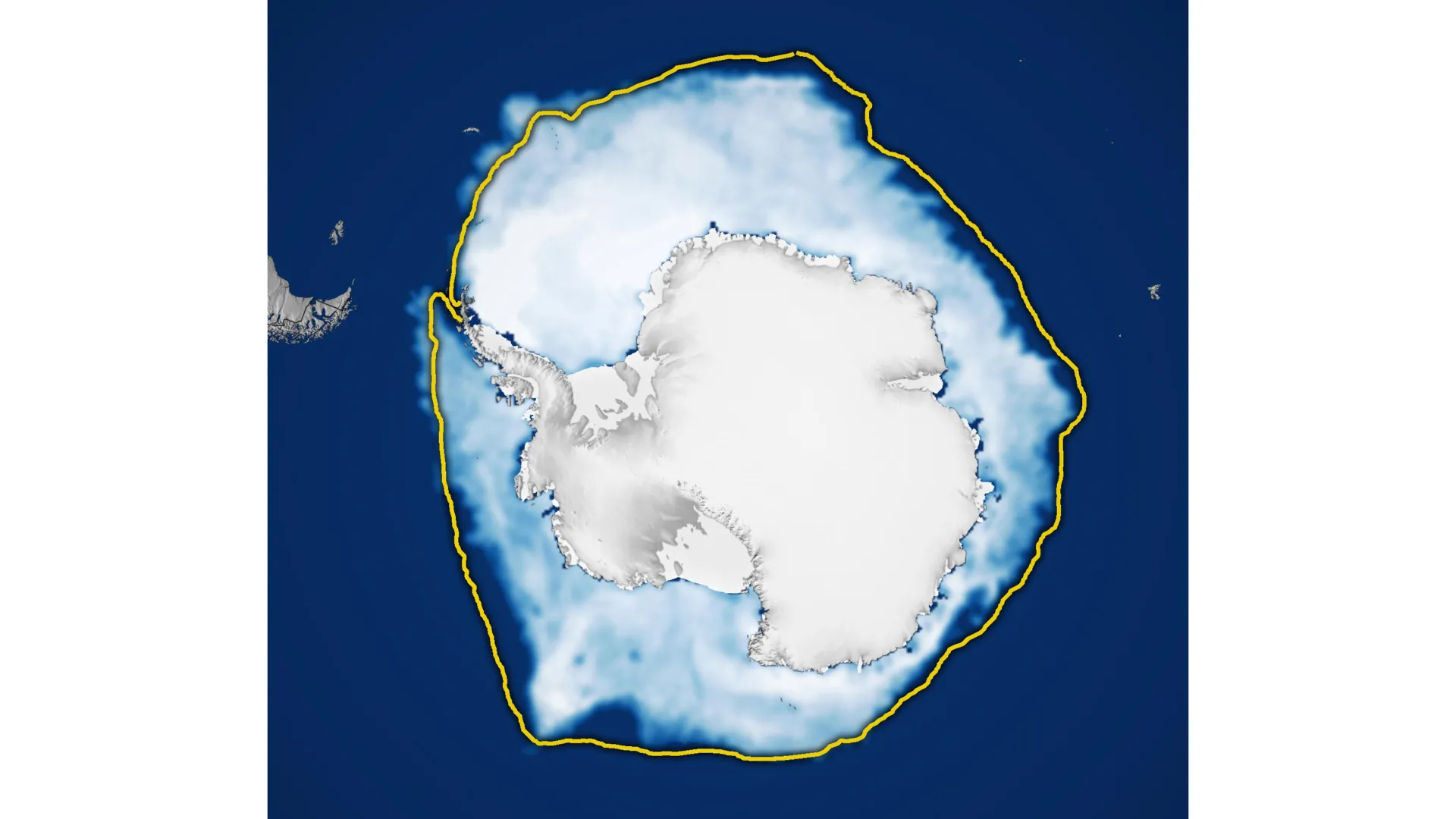
Antarctic sea ice reached its third-lowest winter maximum in 2026, marking a stark decline.
The dramatic reversal from years of record-breaking growth raises questions about long-term climate shifts. Scientists are probing whether this signals a permanent change in the region's icy cover, which could have profound implications for global ocean currents and sea levels.
This significant drop indicates that Antarctica’s ice is shrinking more than expected during winter months, traditionally when ice formation peaks.
If this trend continues, it could lead to accelerated melting of Antarctic glaciers and contribute to rising sea levels worldwide.
What is the long-term climate outlook for this region?
The ongoing decline in winter sea ice suggests a warming trend that could accelerate glacial melt. This would not only raise global sea levels but also disrupt marine ecosystems and weather patterns. Residents and businesses in coastal areas should prepare for increased flooding risks.
The outlook is concerning, indicating rising seas and potential ecological disruptions.