 Escape Climate
Antarctica's Early Freeze Linked to Earth's Inner Dynamics
Scientists uncover how deep-Earth processes led Antarctica to freeze millions of years before the Arctic.
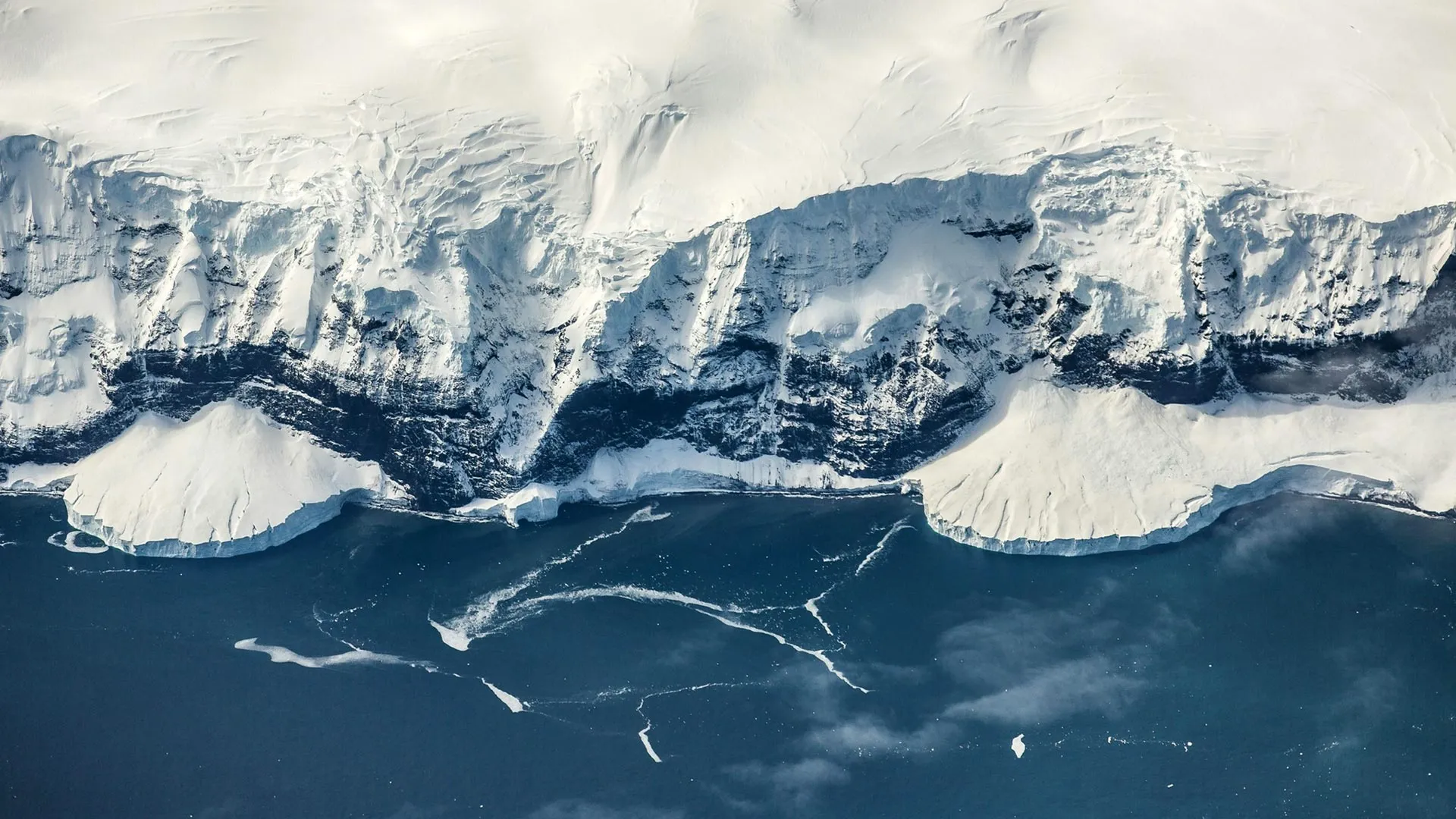
Slow-moving waves within the planet gradually elevated East Antarctica, forming mountains and a high plateau that trapped snow and ice. Once established, these glaciers reflected sunlight, accelerating cooling in the region.
The formation of these icy landscapes was driven by geological forces rather than just climate changes, leading to a permanent ice cover.
This early freezing could signal long-term vulnerabilities for Antarctic ecosystems as global warming reverses this ancient process.
What is the long-term climate outlook for this region?
Understanding these geological processes helps predict how Antarctica might respond to future warming. The melting of ice sheets could reverse the cooling effect, leading to significant ecological shifts and sea level rise.
The outlook suggests increased risks due to potential rapid changes in Antarctic ice cover.