 Escape Climate
Ancient Rocks Reveal Water's Role in Volcanic Activity 3 Billion Years Ago
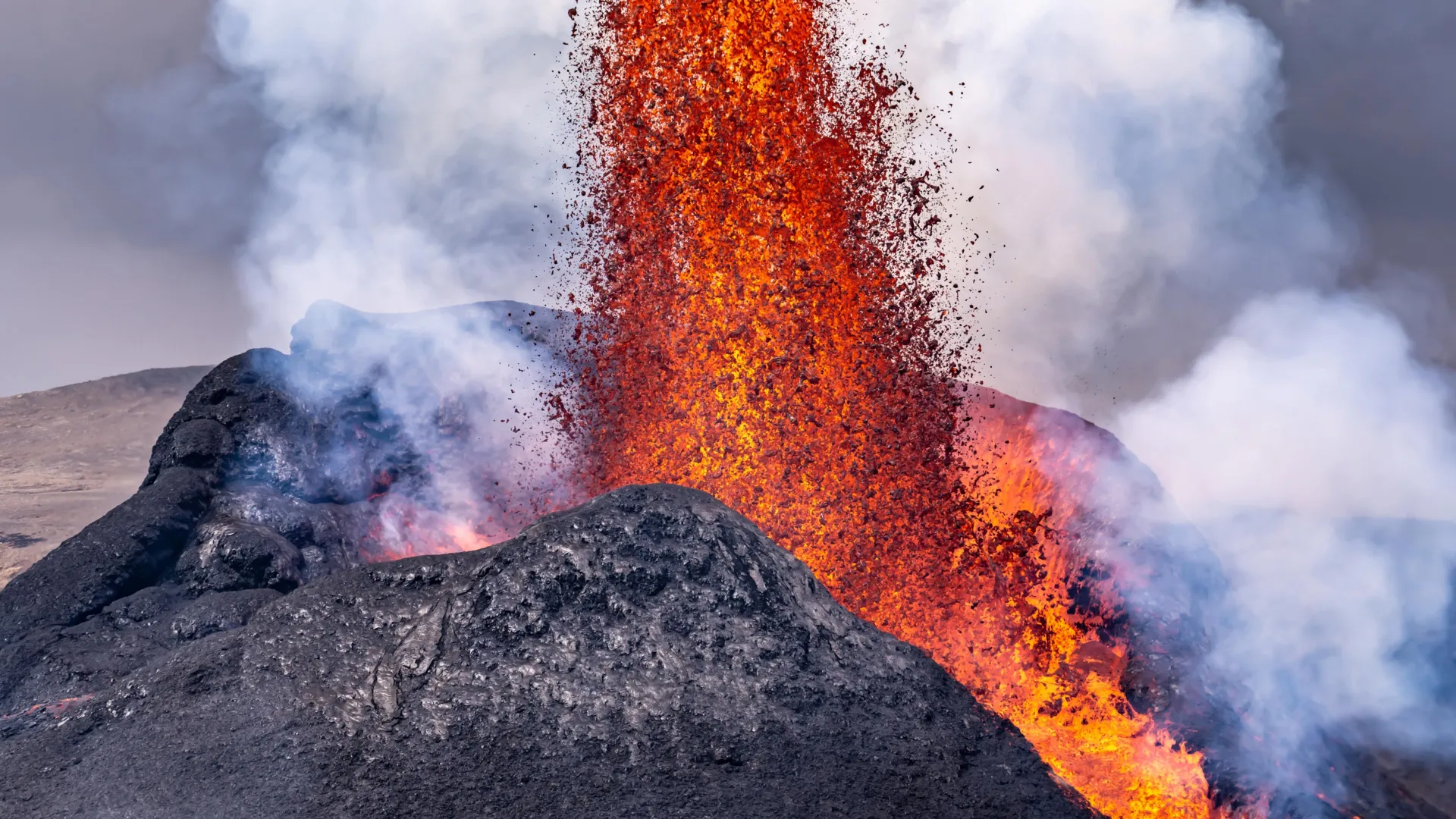
Scientists have discovered that water was fueling volcanoes over three billion years ago, based on ancient rocks from Western Australia.
The findings suggest water reached deep into the Earth long before modern plate tectonics developed. Researchers propose a process called 'dripduction,' where water-rich crust sank into the mantle, leading to magma production and volcanic eruptions.
This discovery changes our understanding of how volcanoes were active in the early history of the planet, indicating that water played a crucial role even then.
The long-term vulnerability lies in the potential for similar processes today, which could influence current geological activities and volcanic risks.
What is the long-term climate outlook for this region?
Understanding these ancient processes can help predict modern volcanic activity. However, the direct impact on climate remains unclear without further research into how water influences contemporary tectonic movements.
The outlook is uncertain but highlights the need for ongoing geological studies.