 Escape Climate
Ancient Fossils Unearth Secrets Behind Complex Life's Emergence
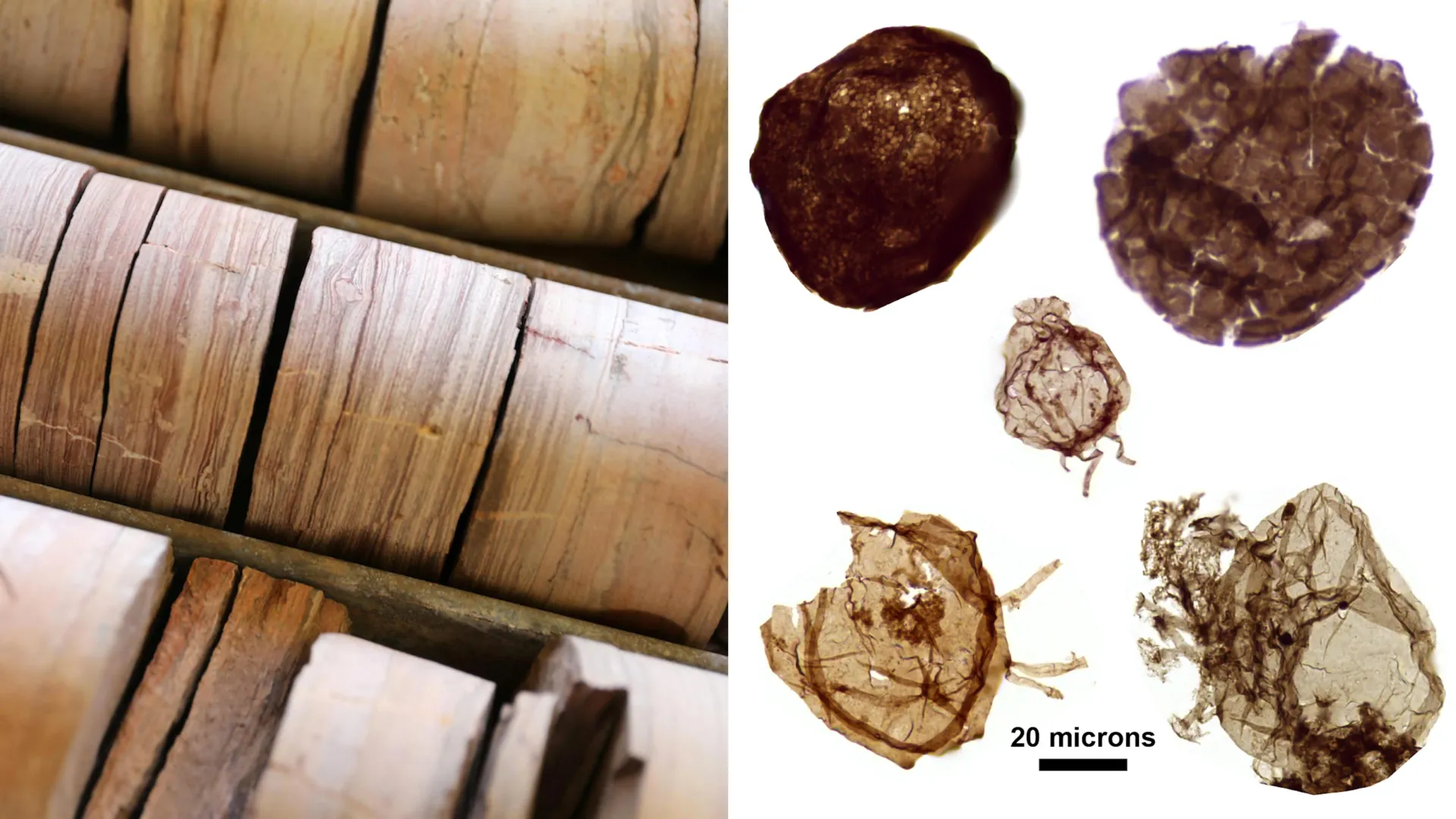
Scientists unearthed 12,000 fossils from ancient Australian rocks, revealing clues about early complex life.
These findings highlight the critical role of oxygen in fostering eukaryotic cells, which thrived only where oxygen was present. In contrast, simpler microbes dominated environments devoid of oxygen, suggesting a direct link between atmospheric conditions and biological complexity.
The fossils indicate that ancient complex life forms existed in various settings from coastal areas to open seas, but always required an oxygen-rich environment.
This discovery underscores the long-term vulnerability of complex ecosystems to changes in atmospheric composition, particularly fluctuations in oxygen levels.
What is the long-term climate outlook for this region?
Understanding these ancient conditions can inform predictions about future environmental impacts on biodiversity. If current trends continue, reduced oxygen availability could threaten complex life forms similar to those studied.
The outlook remains uncertain due to ongoing changes in atmospheric composition.