 Escape Climate
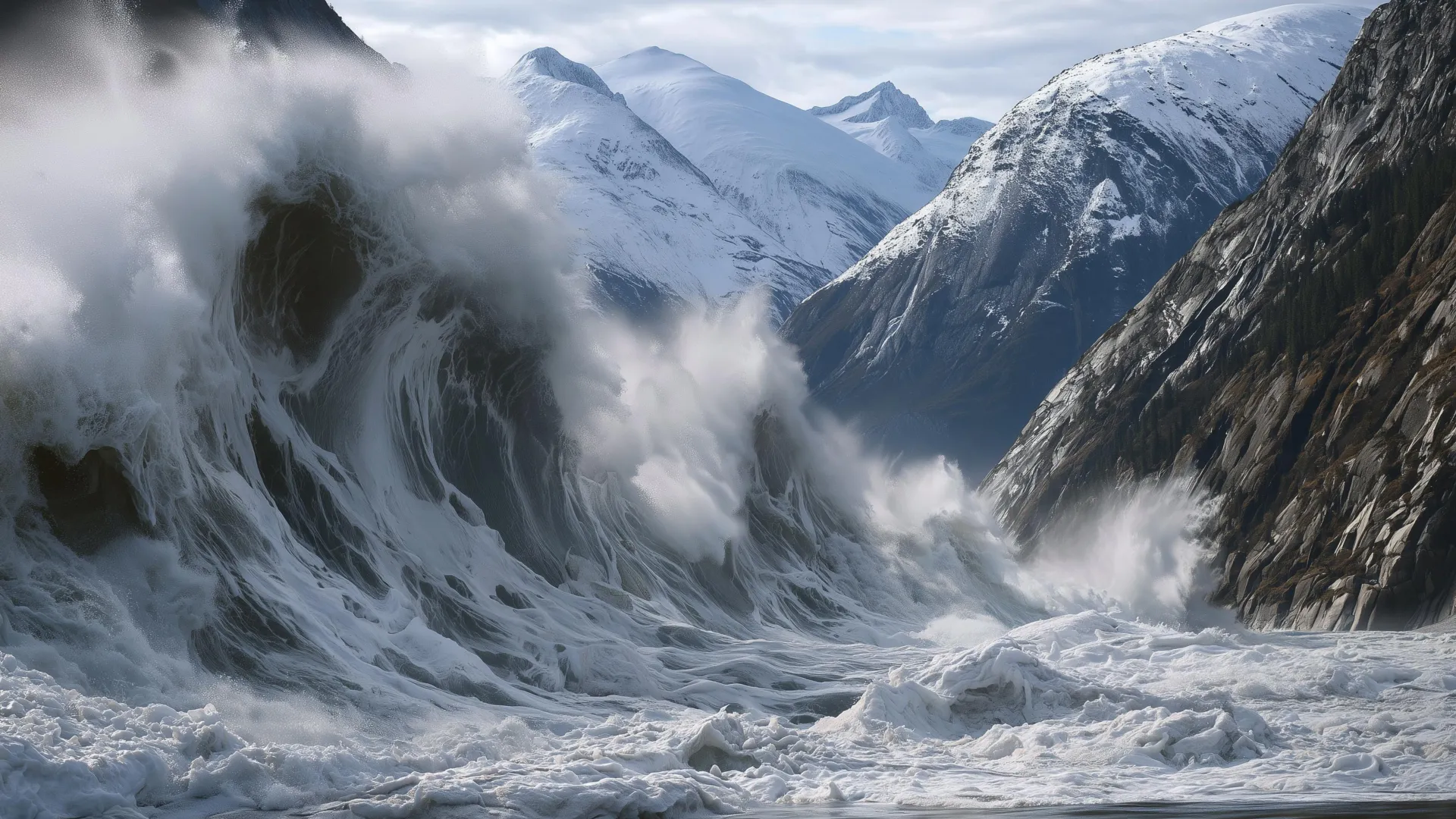
Alaska's Tsunami Surges 1,580 Feet Up Mountain After Landslide
A massive landslide triggered the second-highest tsunami ever recorded in Alaska.
The disaster was preceded by rapid glacier retreat, heavy rainfall, and thousands of tiny seismic tremors, all warning signs that scientists have now identified. As glaciers continue to melt, such catastrophic events could become more frequent in mountainous coastal regions, posing a significant threat to local communities and infrastructure.
Water and debris surged 1,580 feet up a mountainside just hours after tourists had visited the area, highlighting the sudden and unpredictable nature of these geological disasters.
The long-term vulnerability of Alaskan coastal areas is increasing as glaciers retreat. This ecological degradation could lead to more frequent landslides and tsunamis in the future.
What is the long-term climate outlook for this region?
As glaciers continue to melt due to warming temperatures, the risk of massive landslides and subsequent tsunamis will likely increase. This poses a significant threat not only to local infrastructure but also to tourism and residential areas in coastal regions.
The outlook for Alaska's coastal regions is increasingly risky.