 Escape Climate
Activists Climb Trees to Halt Border Wall Construction
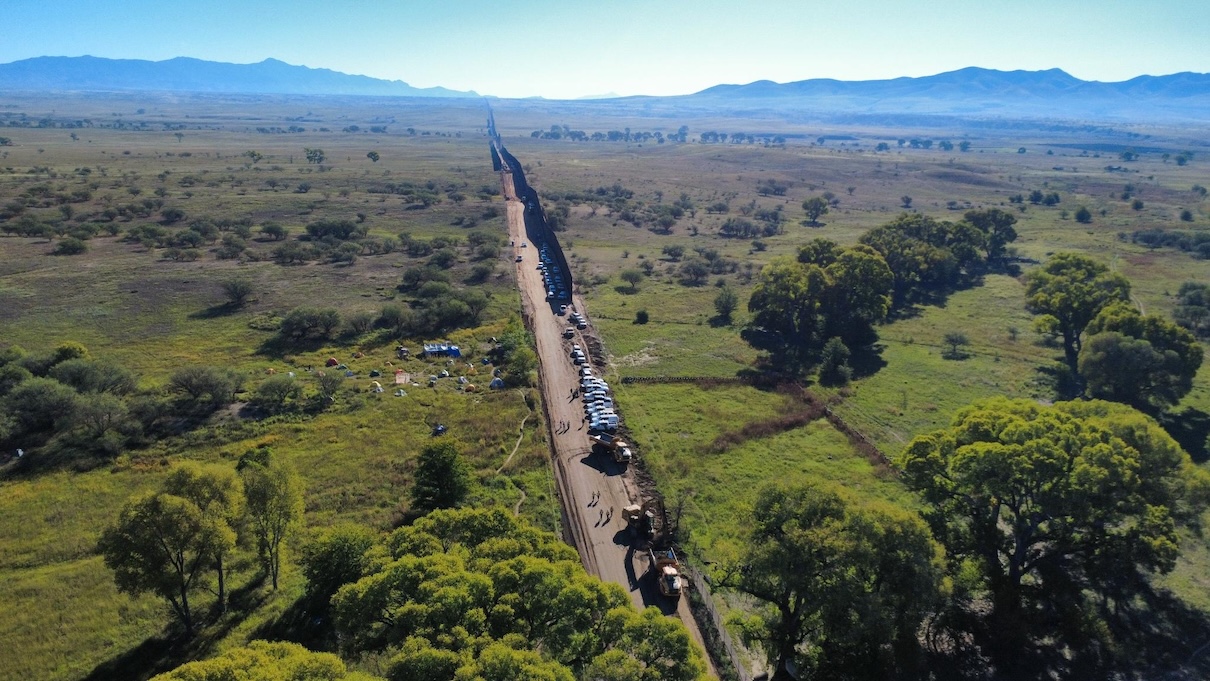
In Lochiel, Arizona, activists are blocking border wall construction to save ancient cottonwood trees.
The fight centers on 200-year-old cottonwoods that provide critical shade and habitat in the desert. Activists argue that the ecological impact of destroying these trees outweighs the perceived benefits of a physical barrier between the U.S. and Mexico, raising questions about environmental conservation versus national security priorities.
One activist has been living for over 70 days in an ancient cottonwood tree to prevent contractors from cutting it down.
The long-term vulnerability lies in the loss of these trees which support local biodiversity and mitigate extreme heat conditions. Their removal could exacerbate ecological degradation and climate risks in the region.
What is the long-term climate outlook for this region?
Without the protective shade of cottonwood trees, the area faces increased exposure to extreme heat events, which can worsen drought conditions and soil moisture deficits. The loss also diminishes natural habitats that help maintain local biodiversity crucial for ecosystem resilience.
The long-term outlook is negative without these ecological safeguards.